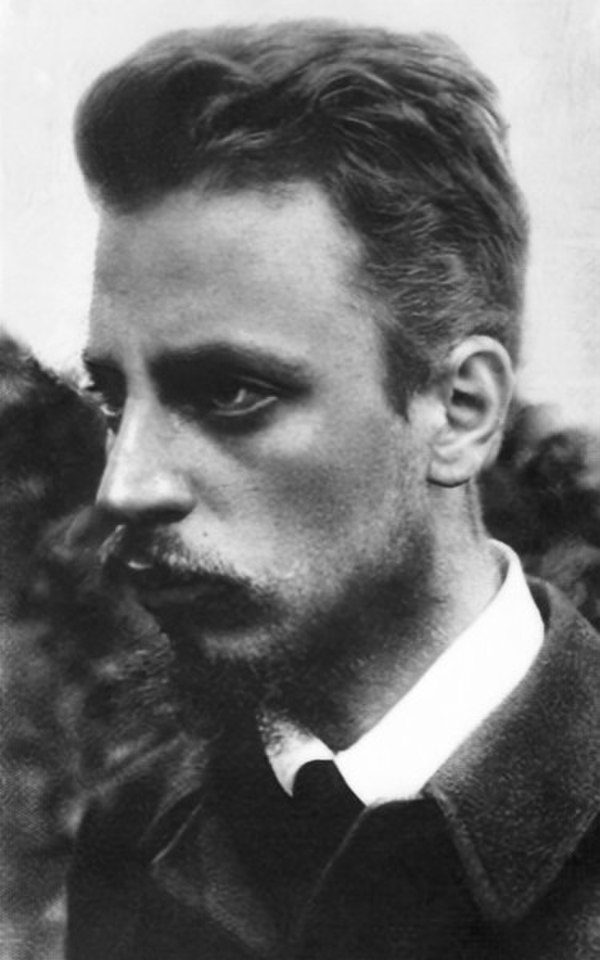
Embracing the Solitude Within
Rainer Maria Rilke's poignant assertion, "To walk inside yourself and meet no one for hours — that is what you must be able to attain," invites us into a profound exploration of solitude and self-discovery. This journey inward, where one encounters the depths of their own being without distraction or external validation, is not merely an act of retreat but a necessary pilgrimage toward understanding oneself. In a world that often clamors for our attention, Rilke's words remind us of the importance of cultivating an inner sanctuary where we can confront our thoughts, emotions, and truths in solitude.
To walk inside oneself is to engage in a practice that transcends the superficial noise of daily life. It is an invitation to embrace the stillness that lies within, to confront the shadows and light of our existence without the interference of others. This solitude is not loneliness; rather, it is a sacred space where we can listen to the whispers of our soul, allowing us to emerge more authentic and whole. In this context, Rilke's call to solitude becomes a vital practice for anyone seeking deeper meaning and connection in their lives.
The image / the metaphor
Rilke's imagery of "walking inside yourself" evokes a sense of exploration and adventure, suggesting that the inner landscape is as vast and intricate as any external terrain. The act of walking implies movement, a journey that requires intention and courage. The phrase "meet no one for hours" emphasizes the solitude of this journey, highlighting the need to disengage from the external world and its distractions. This solitude is not a void but a rich, fertile ground for introspection and self-awareness.
Diving deeper into the metaphor, Rilke's words suggest that true understanding and growth can only occur in the absence of external influences. The hours spent in solitude are not merely empty moments; they are opportunities to cultivate a relationship with oneself. This inner journey can lead to revelations about our desires, fears, and aspirations, allowing us to emerge with a clearer sense of purpose and identity. In this way, Rilke's metaphor serves as a powerful reminder of the transformative potential of solitude.
In the speaker's tradition
Rainer Maria Rilke's insights resonate deeply within the tradition of mysticism, where the exploration of the self is often seen as a pathway to the divine. Concepts such as kenosis, the self-emptying of one's will to make room for divine presence, parallel Rilke's call to solitude. In this context, the act of walking inside oneself can be viewed as a form of spiritual practice, akin to the Buddhist notion of sunyata, or emptiness, which invites practitioners to let go of attachments and preconceived notions to discover their true nature.
Moreover, Rilke's emphasis on solitude aligns with the mystical writings of figures like Meister Eckhart, who spoke of the necessity of detachment from the world to encounter the divine within. In his sermons, Eckhart often encouraged his followers to seek the "still point" within themselves, a place of profound peace and connection to the divine. Rilke's invitation to spend hours in solitude echoes this sentiment, suggesting that the journey inward is essential for spiritual awakening and understanding.
Living the teaching
In our modern lives, the teaching of Rilke can manifest in various ways. Consider a busy professional who finds themselves overwhelmed by the demands of work and social obligations. Taking time to walk inside oneself might mean setting aside a few hours each week for quiet reflection, perhaps through journaling or meditation. This practice allows the individual to step back from the chaos and reconnect with their inner self, fostering clarity and a renewed sense of purpose.
Another application of this teaching can be found in relationships. Imagine a couple navigating a challenging period in their partnership. Instead of seeking external advice or distractions, they could benefit from spending time in solitude, individually reflecting on their feelings and desires. This practice of introspection can lead to deeper understanding and communication, allowing them to approach their relationship with greater empathy and insight. Rilke's call to solitude thus becomes a tool for healing and growth, both personally and relationally.
A reflection
As we contemplate Rilke's profound invitation to walk inside ourselves, we are left with a contemplative question: What truths about myself might I uncover in the stillness of solitude? This question encourages us to embrace the practice of introspection, inviting us to explore the depths of our being without fear or distraction. In this journey, we may find not only the essence of who we are but also the path toward a more authentic and meaningful existence.



Join the BrightStar Community
Stay connected with daily inspiration, event announcements, and community wisdom