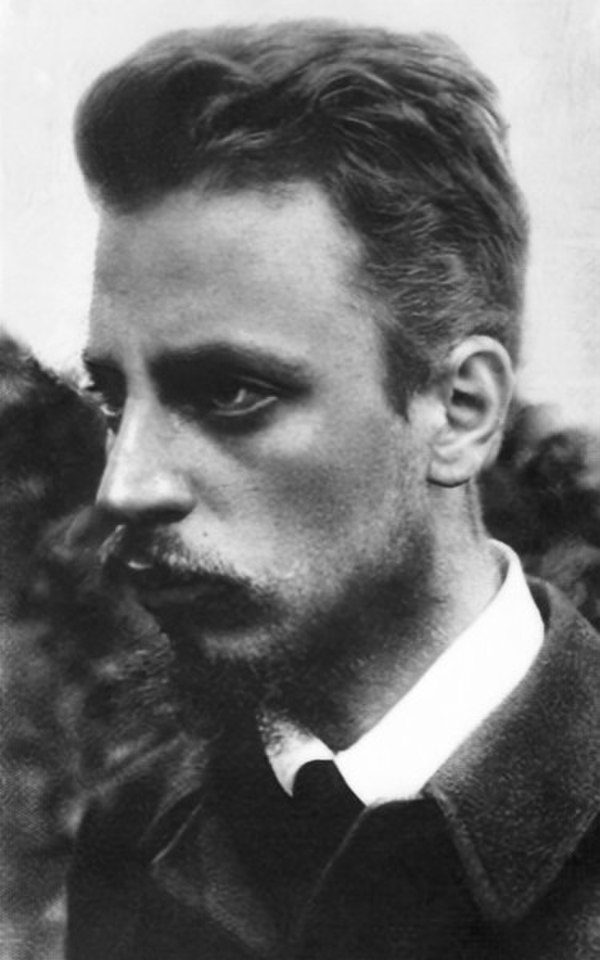
Embracing the Flow of Existence
Rainer Maria Rilke's poignant declaration, "To the rushing water, speak: I am," invites us to engage with the essence of our being amidst the relentless currents of life. This simple yet profound assertion beckons us to recognize our presence in the world, urging us to affirm our existence in the face of the ever-changing nature of reality. In a time when distractions abound and the pace of life quickens, this call to presence becomes increasingly vital, reminding us that to exist is to participate fully in the flow of life.
At its core, Rilke's invitation is a meditation on the nature of being. It challenges us to confront the often-overlooked truth that our existence is not merely a passive state but an active engagement with the world around us. By speaking "I am" to the rushing water, we acknowledge both our individuality and our interconnectedness with the universe. This recognition can serve as a grounding force, helping us navigate the complexities of modern life with a sense of purpose and clarity.
The image / the metaphor
The imagery of rushing water evokes a sense of movement, vitality, and transformation. Water, in its many forms, symbolizes the fluidity of existence, constantly shifting yet always present. The act of speaking to this rushing water suggests a dialogue with the very essence of life itself, an invitation to articulate our own existence amidst the chaos. The verb "speak" carries a weight of intention, implying that our acknowledgment of self is not merely a thought but a declaration that resonates with the world around us.
In the speaker's tradition
Rainer Maria Rilke's work is deeply rooted in the tradition of mysticism, where the exploration of self and the divine intertwines. Concepts such as kenosis, the self-emptying of one's will to make room for the divine, resonate with Rilke's call to presence. In this context, "I am" becomes a declaration of surrender, an acknowledgment of the divine flow that permeates all existence. This mystical understanding invites us to transcend the ego and embrace a more profound connection with the universe, aligning our individual essence with the greater cosmic rhythm.
Rilke's exploration of being can be likened to the teachings found in the Tao Te Ching, where the idea of "wu wei," or effortless action, encourages us to align with the natural flow of life. Just as the Tao teaches us to embrace simplicity and spontaneity, Rilke's invitation to speak to the rushing water urges us to recognize our place within the ever-changing tapestry of existence. Both texts emphasize the importance of presence and awareness, guiding us toward a deeper understanding of ourselves and our relationship with the world.
Living the teaching
Consider a modern scenario where the teaching of Rilke's quote can be applied: a busy professional navigating the demands of work and personal life. In the midst of deadlines and responsibilities, one might feel overwhelmed, losing sight of their own identity amidst the chaos. By taking a moment to pause and affirm "I am," this individual can reconnect with their essence, grounding themselves in the present moment. This simple act of acknowledgment can serve as a powerful reminder of their inherent worth and agency, allowing them to approach their tasks with renewed clarity and purpose.
In a different context, imagine a relationship facing challenges. During moments of conflict, it can be easy to lose oneself in the heat of the argument, forgetting the shared humanity that binds us. By invoking Rilke's teaching, one partner might take a breath and assert "I am," recognizing their own feelings and needs while also honoring the presence of the other. This practice of self-affirmation fosters empathy and understanding, creating space for healing and connection in the relationship.
A reflection
As we contemplate Rilke's invitation to speak "I am" to the rushing water, we are called to reflect on our own presence in the world. How often do we affirm our existence amidst the noise and distractions of daily life? In what ways can we cultivate a deeper awareness of our being, allowing ourselves to flow with the currents of experience rather than resist them? Consider this contemplative question: What does it mean for you to truly say "I am" in this moment, and how might that acknowledgment transform your relationship with the world around you?
Join the BrightStar Community
Stay connected with daily inspiration, event announcements, and community wisdom