The Solitude of Being: Embracing Our Aloneness
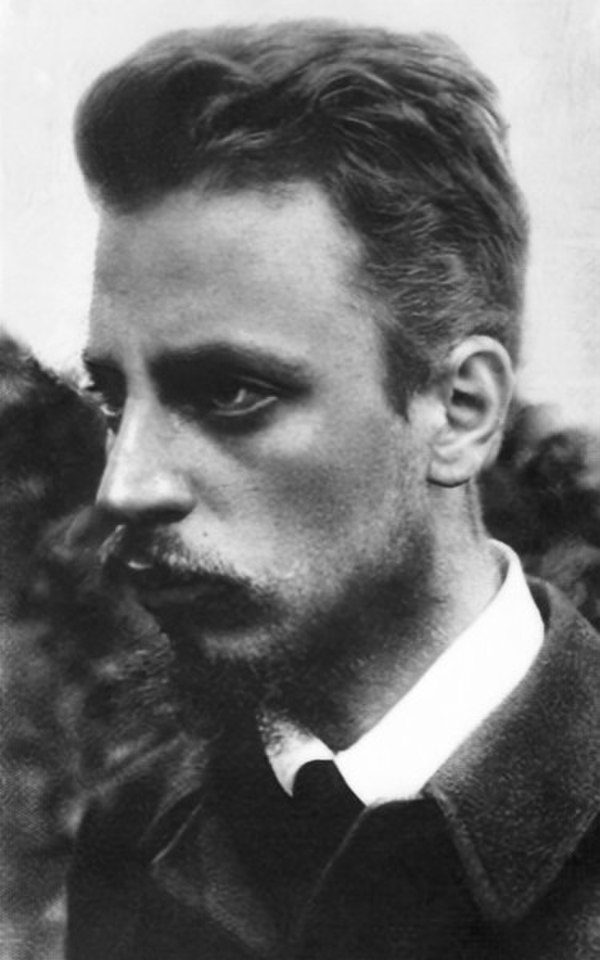
Rainer Maria Rilke's poignant reflection, "To be alone again. As one was alone. As one will always be alone," invites us to confront the profound reality of solitude. This statement encapsulates the essence of human existence, suggesting that aloneness is not merely a state of being but a fundamental aspect of our journey through life. In a world that often equates connection with worth, Rilke's words challenge us to reconsider the value of solitude and the truth it can reveal about ourselves.
In a society that frequently glorifies social interaction and communal experiences, Rilke's assertion serves as a reminder that solitude is an intrinsic part of our human condition. It is in these moments of being alone that we can truly encounter ourselves, stripped of external influences and distractions. This exploration of solitude is not a call to isolation but rather an invitation to embrace the stillness within, where we can discover the depths of our being and the truths that lie beneath the surface of our everyday lives.
The image / the metaphor
Rilke's quote evokes a vivid imagery of solitude, emphasizing the cyclical nature of existence. The repetition of "alone" underscores a sense of inevitability, suggesting that solitude is a constant companion throughout our lives. The phrase "to be alone again" implies a return to a familiar state, one that is both comforting and daunting. The verbs chosen—"to be" and "will always be"—convey a sense of permanence, as if Rilke is urging us to acknowledge that solitude is not merely a phase but an enduring aspect of our reality.
Diving deeper into the metaphor, we can see that Rilke is not merely speaking of physical aloneness but rather a profound existential solitude. This solitude is a space for introspection, where the noise of the world fades away, allowing us to confront our innermost thoughts and feelings. It is in this sacred space that we can engage with our true selves, unencumbered by societal expectations or the need for validation. Rilke's words remind us that this solitude is not something to be feared but embraced, as it holds the potential for deep personal transformation.
In the speaker's tradition
Rainer Maria Rilke's exploration of solitude aligns closely with the themes found in mysticism, where the journey inward is often seen as a path to enlightenment. Concepts such as kenosis—the idea of self-emptying—resonate with Rilke's call to embrace solitude. In this context, solitude becomes a means of shedding the layers of identity that we construct in relation to others, allowing us to encounter the essence of our being. This journey mirrors the Buddhist concept of sunyata, or emptiness, which invites practitioners to recognize the transient nature of existence and the liberation found in embracing solitude.
Rilke's work can also be compared to the writings of other mystics, such as the Sufi poet Rumi, who often speaks of the divine love that can be discovered in moments of solitude. In Rumi's poetry, the experience of being alone is not a source of despair but a gateway to a deeper connection with the divine. Similarly, Rilke's acknowledgment of solitude as an integral part of our existence invites us to explore the sacredness of our aloneness, suggesting that it is through this lens that we can truly understand ourselves and our place in the universe.
Living the teaching
In our modern lives, the teaching of Rilke's quote can manifest in various scenarios, particularly in moments of overwhelming busyness. Consider a time when you felt the weight of the world pressing down on you, perhaps during a hectic workweek or amidst the demands of family life. In these instances, the invitation to embrace solitude can be transformative. Taking a moment to step away from the chaos, whether through a quiet walk in nature or a few minutes of meditation, allows us to reconnect with ourselves and gain clarity amidst the noise.
Moreover, Rilke's insights can be particularly relevant in the context of relationships. In times of conflict or emotional turmoil, the urge to seek validation or reassurance from others can be strong. Yet, Rilke's reminder that we are ultimately alone encourages us to turn inward, to explore our feelings and reactions without relying on external affirmation. This practice of self-reflection not only fosters personal growth but also enriches our relationships, as we learn to engage with others from a place of authenticity rather than dependency.
A reflection
As we contemplate Rilke's profound words, we are invited to reflect on our own relationship with solitude. How do we perceive our moments of aloneness? Are they times of fear and anxiety, or do we see them as opportunities for growth and self-discovery? In embracing the truth of our solitude, we may find that it is not a burden to bear but a gift to cherish, leading us to a deeper understanding of ourselves and the world around us. What does solitude reveal to you about your own journey?


Join the BrightStar Community
Stay connected with daily inspiration, event announcements, and community wisdom