The Necessity of Expression: A Journey into Rilke's Night
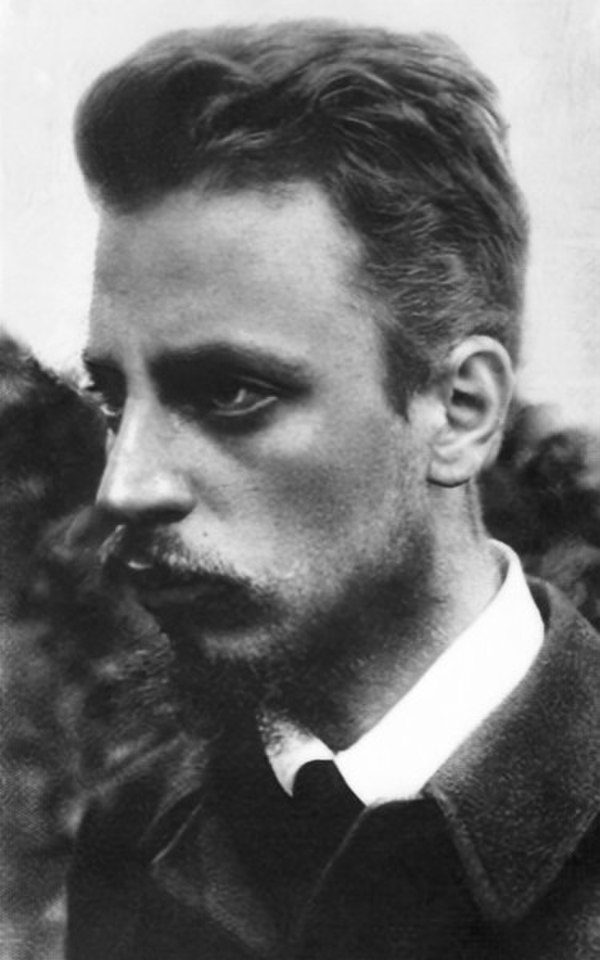
Rainer Maria Rilke's poignant declaration, "In the deepest hour of the night, confess to yourself that you would die if you were forbidden to write," speaks to the profound necessity of creative expression. This assertion transcends mere artistic inclination; it touches upon the very essence of being. To write is not simply to engage in a craft; it is to breathe life into one's soul, to articulate the inexpressible truths that dwell within. The stakes are high: without this outlet, one risks a kind of spiritual suffocation, a death of the self that is both metaphorical and existential.
In this light, Rilke's words resonate deeply with anyone who has ever felt the urgent pull of their vocation. The "deepest hour of the night" suggests a time of introspection and vulnerability, where one confronts the raw truths of existence. It is in these moments of solitude that we often discover what truly matters to us. The act of writing becomes a lifeline, a means of survival that nourishes the spirit and articulates the unvoiced longings of the heart. This necessity is not merely personal; it is universal, echoing through the ages as a call to authenticity and truth.
The image / the metaphor
Rilke's imagery is rich and evocative, conjuring a scene of solitude and introspection. The phrase "deepest hour of the night" evokes a sense of darkness, a time when the world is quiet and the mind is left to wander through its own labyrinth of thoughts and emotions. The act of confessing to oneself suggests a moment of radical honesty, where one must confront the very essence of their being. The verb "confess" carries a weight of vulnerability, implying that the truth of one's need to write is not always easy to accept or articulate.
Delving deeper into the metaphor, we can see that writing is portrayed as a vital force, akin to the air we breathe. To be forbidden to write is to be cut off from a fundamental aspect of existence, leading to a kind of death that is both spiritual and creative. This metaphor extends beyond the individual; it speaks to the collective human experience of seeking meaning and connection through expression. In this way, Rilke elevates writing to a sacred act, a necessary communion with the self that fosters growth and understanding.
In the speaker's tradition
Rainer Maria Rilke's insights are deeply rooted in the mystical traditions that emphasize the importance of inner truth and self-exploration. Concepts such as dharma in Eastern philosophies or kenosis in Christian mysticism resonate with Rilke's understanding of vocation. Just as dharma calls individuals to fulfill their true purpose, Rilke suggests that writing is an essential aspect of one's spiritual journey. The act of writing becomes a form of self-realization, a way to align with one's true nature and express the inexpressible.
Moreover, Rilke's reflections can be likened to the notion of sunyata, or emptiness, found in Buddhist thought. This concept encourages individuals to confront the void within themselves, allowing for the emergence of authentic expression. In his "Letters to a Young Poet," Rilke urges the reader to embrace solitude and introspection, paralleling the contemplative practices found in various spiritual traditions. The act of writing, then, is not merely a personal endeavor but a sacred practice that connects the individual to the greater tapestry of existence.
Living the teaching
Consider a modern scenario where this teaching resonates: an aspiring writer grappling with self-doubt and the fear of inadequacy. In the quiet hours of the night, they may find themselves reflecting on their passion for storytelling, realizing that to abandon this pursuit would feel like losing a part of their very essence. This moment of clarity serves as a reminder that their vocation is not just a hobby but a vital expression of their identity. By acknowledging this truth, they can cultivate the courage to write, even in the face of uncertainty.
In another application, imagine a relationship where one partner feels stifled, unable to express their thoughts and emotions. The act of writing can serve as a therapeutic outlet, allowing them to articulate their feelings and desires in a safe space. By embracing the necessity of expression, they can foster deeper communication and understanding within the relationship. This practice not only nurtures their individual spirit but also strengthens the bond they share, illustrating how Rilke's teaching extends beyond the solitary act of writing into the realm of human connection.
A reflection
As we contemplate Rilke's profound assertion, we are invited to reflect on our own relationship with expression. What truths lie dormant within us, waiting to be articulated? In what ways do we honor our vocations, and how might we feel if we were denied the means to express them? This contemplation invites us to explore the depths of our own creativity and the essential role it plays in our lives, urging us to embrace the necessity of our unique voices in a world that often seeks to silence them.



Join the BrightStar Community
Stay connected with daily inspiration, event announcements, and community wisdom