The Tenderness of Holding On
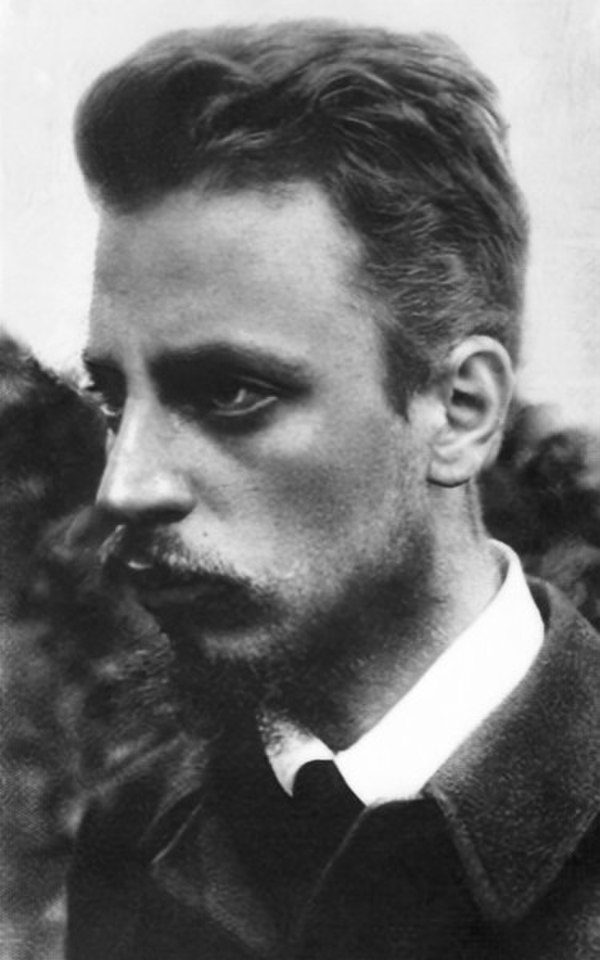
Rainer Maria Rilke's poignant plea, "Don't let yourself lose me," resonates deeply within the human experience of intimacy and connection. This simple yet profound statement encapsulates the delicate balance between love and the fear of loss, inviting us to reflect on the nature of our relationships. In a world often marked by transience, Rilke's words serve as a reminder of the importance of presence, both in our connections with others and in our relationship with the divine.
To lose someone, whether physically or emotionally, can evoke a profound sense of grief and longing. Rilke's invocation is not merely a request; it is a call to cultivate awareness and mindfulness in our interactions. It urges us to recognize the sacredness of our bonds and the necessity of nurturing them, lest we allow the currents of life to sweep us apart. This quote invites us to explore the depths of intimacy, the nuances of prayer, and the ever-present specter of loss that accompanies love.
The image / the metaphor
At first glance, Rilke's words conjure an image of vulnerability and yearning. The phrase "don't let yourself lose me" is imbued with a sense of urgency, as if the speaker is reaching out, grasping for connection amidst the chaos of existence. The use of "yourself" suggests an intimate relationship, one where the boundaries between the self and the other blur, creating a shared space of emotional resonance. The verb "lose" carries with it a weight of finality, evoking the fear that comes with the potential dissolution of a bond that is deeply cherished.
Diving deeper into the metaphor, we can see that Rilke's plea transcends mere interpersonal relationships; it speaks to the divine connection that underpins all existence. The act of losing is not just a physical separation but also a spiritual disconnection. In this light, Rilke's words can be understood as an invitation to remain anchored in love, to hold onto the essence of what binds us to one another and to the sacred. This metaphor of holding on becomes a practice of mindfulness, a way to cultivate presence in our relationships and in our spiritual lives.
In the speaker's tradition
Rainer Maria Rilke's work is steeped in the mysticism of the early 20th century, drawing from a rich tapestry of philosophical and spiritual traditions. His exploration of intimacy and loss resonates with concepts such as *kenosis*, the idea of self-emptying love, and *bhakti*, the devotional love that seeks union with the divine. In this context, Rilke's plea can be seen as an expression of the longing for connection that is central to the mystical experience—a desire to merge with the beloved, whether that be another person or the divine presence itself.
In his "Book of Hours," Rilke articulates this longing through a series of prayers that reflect the deep yearning for communion with God. The text serves as a testament to the human soul's quest for intimacy, echoing the sentiments found in other mystical traditions. For instance, the Sufi concept of *fana*, or the annihilation of the self in the presence of the beloved, mirrors Rilke's call to hold onto the essence of love and connection. Both traditions highlight the transformative power of love, urging us to remain present and engaged in our relationships.
Living the teaching
Consider a modern scenario where Rilke's teaching resonates profoundly: a friend grappling with the loss of a loved one. In the wake of grief, the fear of losing memories and connections can feel overwhelming. Rilke's words serve as a gentle reminder to cherish the moments shared, to hold onto the essence of that relationship through stories, rituals, and shared experiences. This practice of remembrance becomes a way to honor the bond, allowing love to transcend the boundaries of life and death.
In a different context, imagine a couple navigating the complexities of a long-term relationship. As life unfolds with its myriad challenges, the risk of emotional distance looms large. Rilke's plea can serve as a guiding principle, encouraging both partners to actively engage in nurturing their connection. This might manifest in simple acts of kindness, open communication, or shared moments of vulnerability. By consciously choosing to "not lose" one another, they create a space where love can flourish, even amidst the inevitable trials of life.
A reflection
As we contemplate Rilke's evocative words, we are invited to reflect on the nature of our own connections. What does it mean to hold onto someone, to truly see and be seen in the depths of intimacy? In a world that often encourages detachment, how can we cultivate a practice of presence that honors our relationships? Let us sit with these questions, allowing them to guide us toward a deeper understanding of love, loss, and the sacred bonds that weave through our lives.



Join the BrightStar Community
Stay connected with daily inspiration, event announcements, and community wisdom