The Illusion of Self: Embracing Non-Dual Awareness
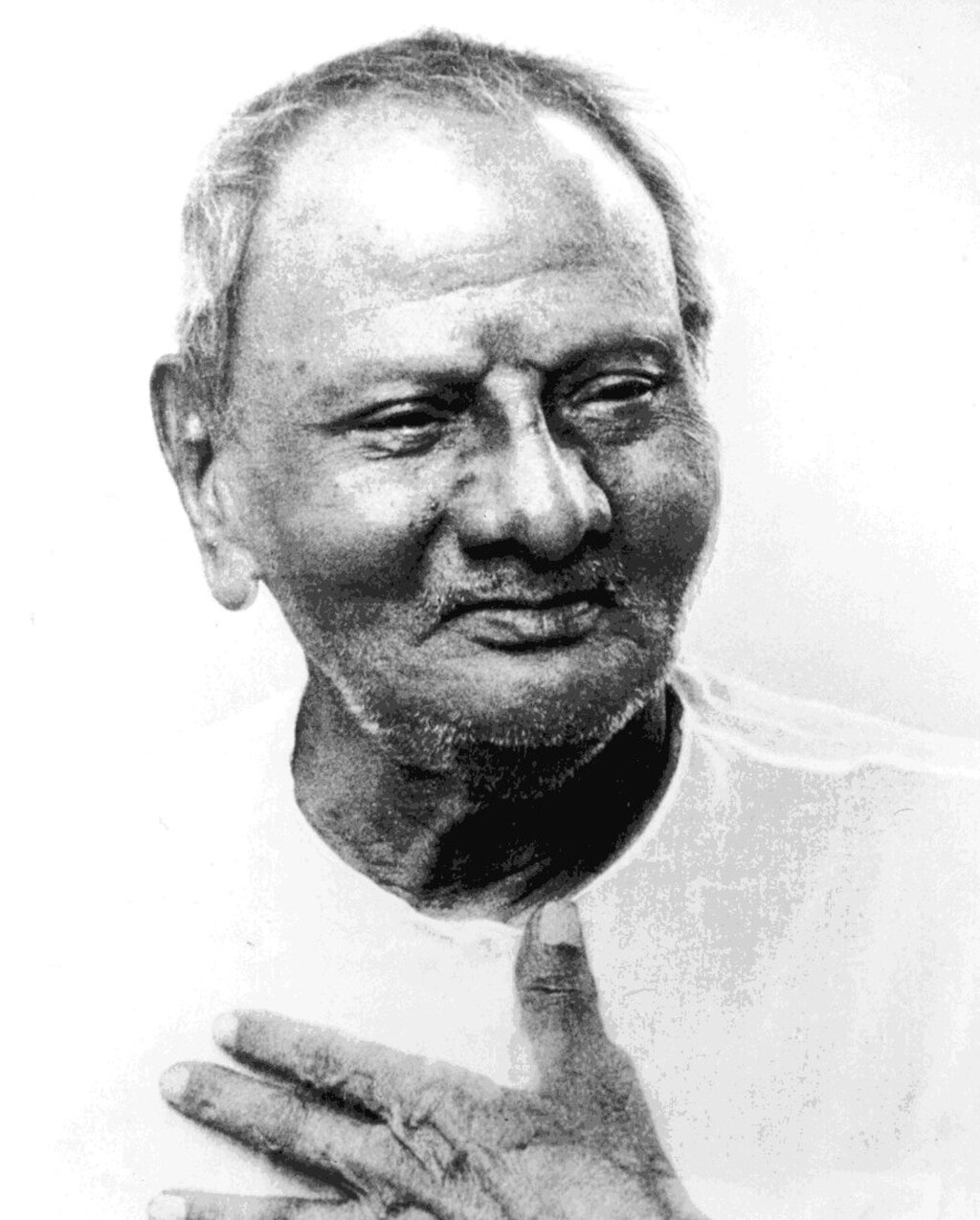
Nisargadatta Maharaj's profound assertion, "I am not, I am not at all. Consciousness is not mine. There is no 'me'," invites us to explore the depths of our own existence and the nature of consciousness itself. In a world that often emphasizes individuality and personal identity, this statement challenges us to reconsider the very foundation of our self-concept. By dismantling the illusion of a separate self, we open ourselves to a more expansive understanding of consciousness that transcends the confines of ego. This exploration is not merely philosophical; it has the potential to transform our lived experience.
At the heart of this quote lies a radical invitation to awaken to the truth of our being. Maharaj's words resonate with the essence of non-duality, suggesting that the sense of 'I' is a construct, a fleeting thought rather than an inherent reality. This realization can be both liberating and unsettling, as it compels us to confront the deeply ingrained narratives we hold about ourselves. The journey toward understanding this non-dual awareness is a path of profound introspection and surrender, leading us to a state of unity with all that is.
The image / the metaphor
The imagery in Maharaj's quote is striking in its simplicity and depth. The repetition of "I am not" serves as a powerful negation, stripping away layers of identity that we often cling to. The phrase "Consciousness is not mine" evokes a sense of detachment, suggesting that consciousness exists independently of the individual self. This evokes a feeling of spaciousness, as if we are being invited to step outside the confines of our personal narratives and into a broader, more inclusive awareness.
Diving deeper into the metaphor, we can see that Maharaj is pointing to the ephemeral nature of the self. The 'me' that we often identify with is akin to a mirage—an illusion that distracts us from the underlying reality of our interconnectedness. By recognizing that there is no fixed 'me,' we are encouraged to embrace the fluidity of existence. This perspective invites us to experience life not as isolated beings but as expressions of a singular consciousness, flowing and evolving in harmony with the universe.
In the speaker's tradition
Nisargadatta Maharaj's teachings are rooted in the non-dual tradition, which emphasizes the oneness of existence and the illusory nature of the ego. Concepts such as *sunyata* (emptiness) and *fana* (annihilation of the self) resonate deeply with his assertion. In this context, the dissolution of the ego is not a loss but a return to our true nature—an awakening to the reality that we are not separate entities but rather manifestations of a singular consciousness. This understanding aligns with the Buddhist notion of *anatta*, or non-self, which teaches that clinging to a fixed identity leads to suffering.
In his seminal work, *I Am That*, Maharaj articulates the essence of self-inquiry, urging seekers to question the very nature of their existence. This echoes the teachings of Advaita Vedanta, where the realization of *Brahman* (the ultimate reality) is achieved through the understanding that the individual self (*Atman*) is not separate from the divine. The journey toward this realization is one of profound introspection and surrender, ultimately leading to the recognition that our true essence is boundless and interconnected.
Living the teaching
Consider a modern scenario where the teaching of non-duality can be applied: a workplace conflict. Imagine two colleagues who are entrenched in a disagreement, each defending their position as if their identity depended on it. By embracing Maharaj's teaching, one might step back and recognize that the conflict is rooted in the ego's desire to assert itself. This awareness can shift the dynamic, allowing for a more compassionate and collaborative approach, as both individuals begin to see beyond their personal narratives and recognize their shared humanity.
In the realm of relationships, the application of this teaching can be transformative. During a moment of tension with a loved one, the instinct may be to react defensively, clinging to the notion of 'self' that feels threatened. However, by recalling Maharaj's words, one can pause and reflect on the illusion of the separate self. This shift in perspective fosters empathy and understanding, allowing for a deeper connection that transcends the ego's need to be right. In this way, the practice of recognizing the non-dual nature of existence enriches our interactions and nurtures more harmonious relationships.
A reflection
As we contemplate Nisargadatta Maharaj's profound assertion, we are invited to engage in a reflective inquiry: What would my life look like if I truly embraced the understanding that there is no 'me'? This question encourages us to explore the ways in which our attachment to identity shapes our experiences and interactions. By allowing ourselves to sit with this inquiry, we may uncover the layers of conditioning that obscure our true nature and begin to glimpse the freedom that lies in recognizing our interconnectedness with all beings.