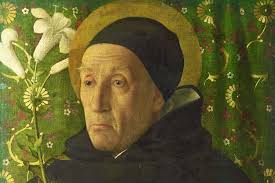
The Eternal Birth: A Contemplation on Meister Eckhart's Vision
Meister Eckhart's profound assertion, "From all eternity, God lies on a maternity bed giving birth," invites us to reconsider the nature of divinity and creation. This striking image suggests that the act of creation is not a singular event confined to time but an ongoing process that transcends our understanding of beginnings and endings. In a world often characterized by separation and finality, Eckhart's words challenge us to embrace a vision of God that is intimately involved in the unfolding of existence, continuously giving rise to life and possibility.
By framing God as eternally engaged in the act of giving birth, Eckhart opens a dialogue about the relationship between the divine and the material world. This metaphor not only evokes the tenderness and vulnerability associated with motherhood but also emphasizes the dynamic nature of creation itself. It compels us to reflect on our own roles as co-creators in this divine process, urging us to recognize that we, too, are part of this sacred unfolding. In doing so, we are invited to explore the depths of our existence and the potential for transformation inherent in every moment.
The image / the metaphor
The imagery of God on a maternity bed is rich with layers of meaning. It evokes a sense of intimacy and warmth, suggesting that the divine is not distant or detached but rather deeply involved in the fabric of life. The choice of the word "maternity" implies a nurturing presence, one that is both powerful and gentle, capable of bringing forth new life. The act of giving birth, with its inherent struggles and joys, mirrors the complexities of creation itself, highlighting the interplay of suffering and joy that accompanies all forms of existence.
In the speaker's tradition
Meister Eckhart's teachings are deeply rooted in the Christian mystical tradition, which emphasizes direct experience of the divine and the transformative power of love. Concepts such as kenosis, or self-emptying, resonate with Eckhart's vision of God as a nurturing force that continually gives of itself. This aligns with the idea of dharma in Eastern traditions, where the unfolding of life is seen as a sacred duty, and the act of creation is imbued with purpose and meaning. In both contexts, the divine is not a static entity but a dynamic presence that invites us into deeper relationship.
In Eckhart's own writings, particularly in his German Sermons, we find echoes of this theme of divine birth. He often speaks of the "birth of the Word" within the soul, suggesting that each individual has the potential to experience this sacred birth. This notion parallels the concept of prajna in Buddhism, where wisdom arises from a deep understanding of the interconnectedness of all things. Both traditions invite us to recognize that the divine is not separate from us but rather resides within, waiting to be realized through our own experiences of love, creativity, and compassion.
Living the teaching
Consider a modern scenario where this teaching might resonate: a parent cradling their newborn, overwhelmed by the miracle of life. In that moment, the parent may feel a profound connection to the divine, recognizing that they are part of a larger tapestry of creation. This experience can serve as a reminder that every act of nurturing—whether it be caring for a child, a friend, or even oneself—echoes the eternal act of divine birth. It invites us to approach our relationships with a sense of reverence, understanding that we are all engaged in the sacred act of bringing forth life in various forms.
In a different context, consider a moment of personal struggle, perhaps during a challenging time in a relationship. Here, the teaching of Eckhart can guide us to view our difficulties as opportunities for growth and transformation. Just as birth often involves pain and struggle, so too can our emotional and spiritual journeys. By embracing these moments as part of the divine process of creation, we can cultivate resilience and compassion, both for ourselves and for others. This perspective encourages us to see beyond the immediate challenges and recognize the potential for new beginnings that lie within every experience.
A reflection
As we contemplate Eckhart's evocative image of God giving birth, we are left with a profound question to ponder: In what ways can I participate in the ongoing act of creation in my own life? This inquiry invites us to reflect on our roles as co-creators, urging us to consider how we can nurture the seeds of possibility within ourselves and others. By embracing this perspective, we open ourselves to the transformative power of love and creativity, allowing the divine to manifest through our actions and intentions.