Breaking the Chains of Memory: The Freedom of the Present
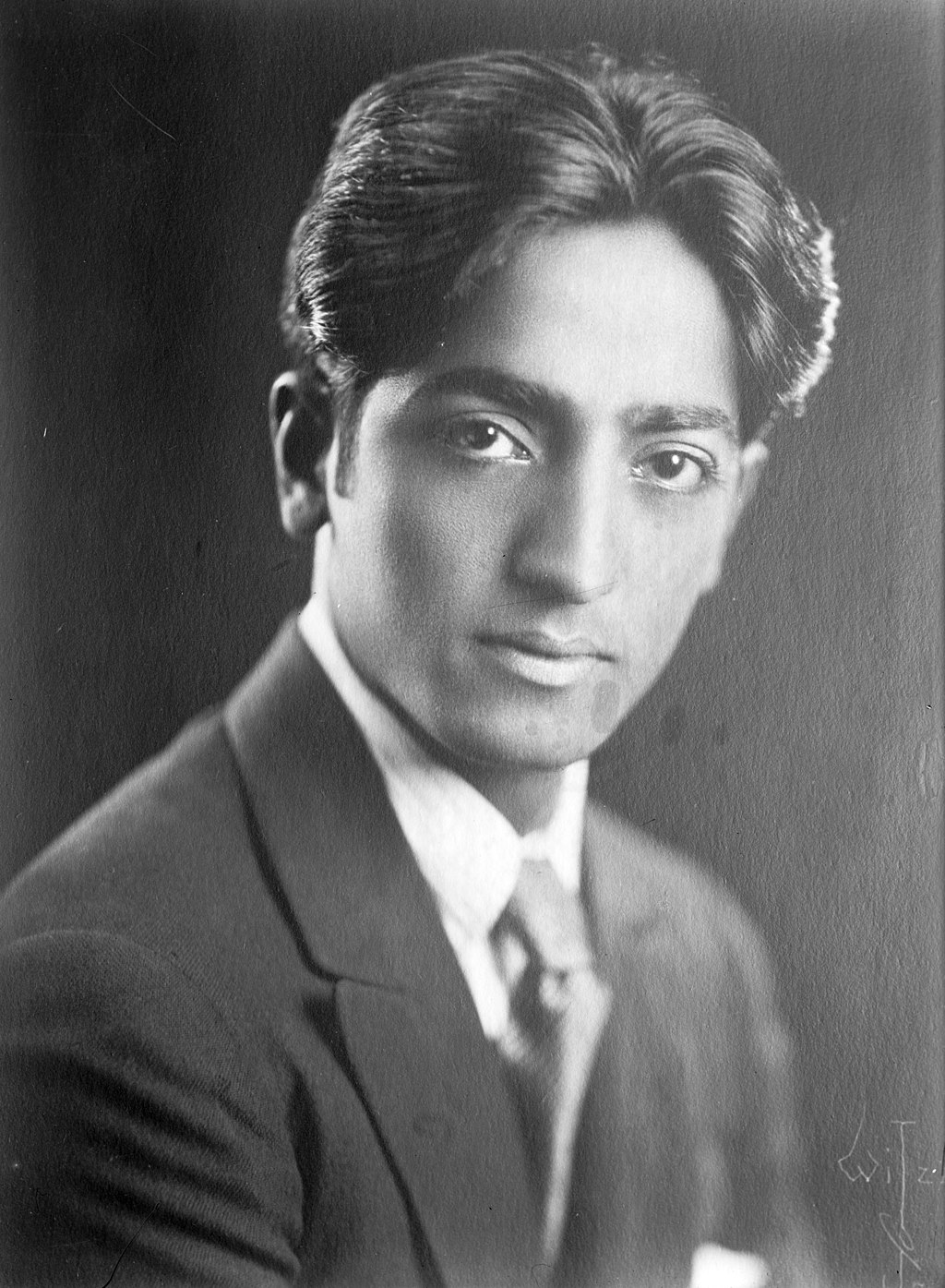
Jiddu Krishnamurti's assertion that "Mind is a slave to the past" invites us to reflect on the pervasive influence of our memories and experiences on our present consciousness. This statement underscores a profound truth: our thoughts, shaped by past events, often dictate our perceptions and reactions, trapping us in a cycle of habitual responses. The stakes are high; to remain tethered to the past is to forfeit the richness of the present moment, a loss that can lead to stagnation in our personal growth and spiritual evolution.
In a world that often glorifies nostalgia and the lessons learned from history, Krishnamurti's words serve as a clarion call to awaken to the immediacy of our existence. The past, while informative, can become a shackle that limits our ability to engage fully with life as it unfolds. By recognizing the mind's tendency to cling to past experiences, we can begin to cultivate a deeper awareness that allows us to transcend these limitations and embrace the fluidity of the present moment.
The image / the metaphor
At the heart of Krishnamurti's quote lies a striking metaphor: the mind as a slave. This imagery evokes a sense of bondage, suggesting that our thoughts are not merely passive reflections of our experiences but active agents that can imprison us. The verb "is" implies a state of being, indicating that this enslavement is not a temporary condition but a fundamental aspect of our mental landscape. The felt sense of this metaphor is one of urgency, as it compels us to confront the ways in which we allow our past to dictate our present.
Diving deeper into this metaphor, we can consider the implications of "slavery" in the context of our mental processes. Just as a slave is bound by the will of another, our minds can become subservient to the narratives we have constructed from our past. This dynamic creates a cycle of suffering, where we are unable to break free from the chains of our memories, leading to a life lived in reaction rather than in response. The challenge, then, is to recognize these chains and seek liberation through awareness and mindfulness.
In the speaker's tradition
Krishnamurti's insights resonate deeply within the non-dual tradition, which emphasizes the interconnectedness of all existence and the illusion of separateness. Concepts such as *sunyata* (emptiness) and *kenosis* (self-emptying) align with his teaching, suggesting that true freedom arises when we relinquish our attachment to the self and its stories. In this context, the mind's enslavement to the past can be seen as a barrier to experiencing the *dharma*, or the natural order of things, which is always unfolding in the present moment.
In his work, Krishnamurti often draws parallels to the teachings found in various spiritual texts, such as the *Bhagavad Gita*, where the importance of acting without attachment to the fruits of one's actions is emphasized. This notion of *nishkama karma* (selfless action) echoes Krishnamurti's call to live free from the burdens of past conditioning, inviting us to engage with life as it is, rather than as we wish it to be based on our memories. By understanding this connection, we can appreciate the depth of his teaching and its roots in a rich spiritual tradition.
Living the teaching
Consider a modern scenario where this teaching can be applied: a professional facing a challenging work environment. If this individual allows past failures or criticisms to dictate their current mindset, they may find themselves paralyzed by fear or self-doubt. In contrast, by recognizing the mind's tendency to cling to these memories, they can consciously choose to approach each day as a new opportunity, free from the weight of past experiences. This shift in perspective can lead to greater creativity, resilience, and engagement in their work.
Another application of this teaching can be found in personal relationships. Imagine a couple who, due to past arguments, find themselves trapped in a cycle of resentment and misunderstanding. By acknowledging that their minds are enslaved to these past grievances, they can begin to practice forgiveness and open communication. This conscious effort to release the hold of the past allows them to cultivate a more compassionate and present relationship, fostering deeper intimacy and understanding.
A reflection
As we contemplate Krishnamurti's assertion that "Mind is a slave to the past," we are invited to examine our own lives and the ways in which we may be held captive by our memories. What stories do we tell ourselves that prevent us from fully engaging with the present moment? In this spirit of inquiry, consider this contemplative question: How might your life change if you were to release the grip of your past and embrace the freedom of the now?
