The Freedom Found in Seeing Clearly
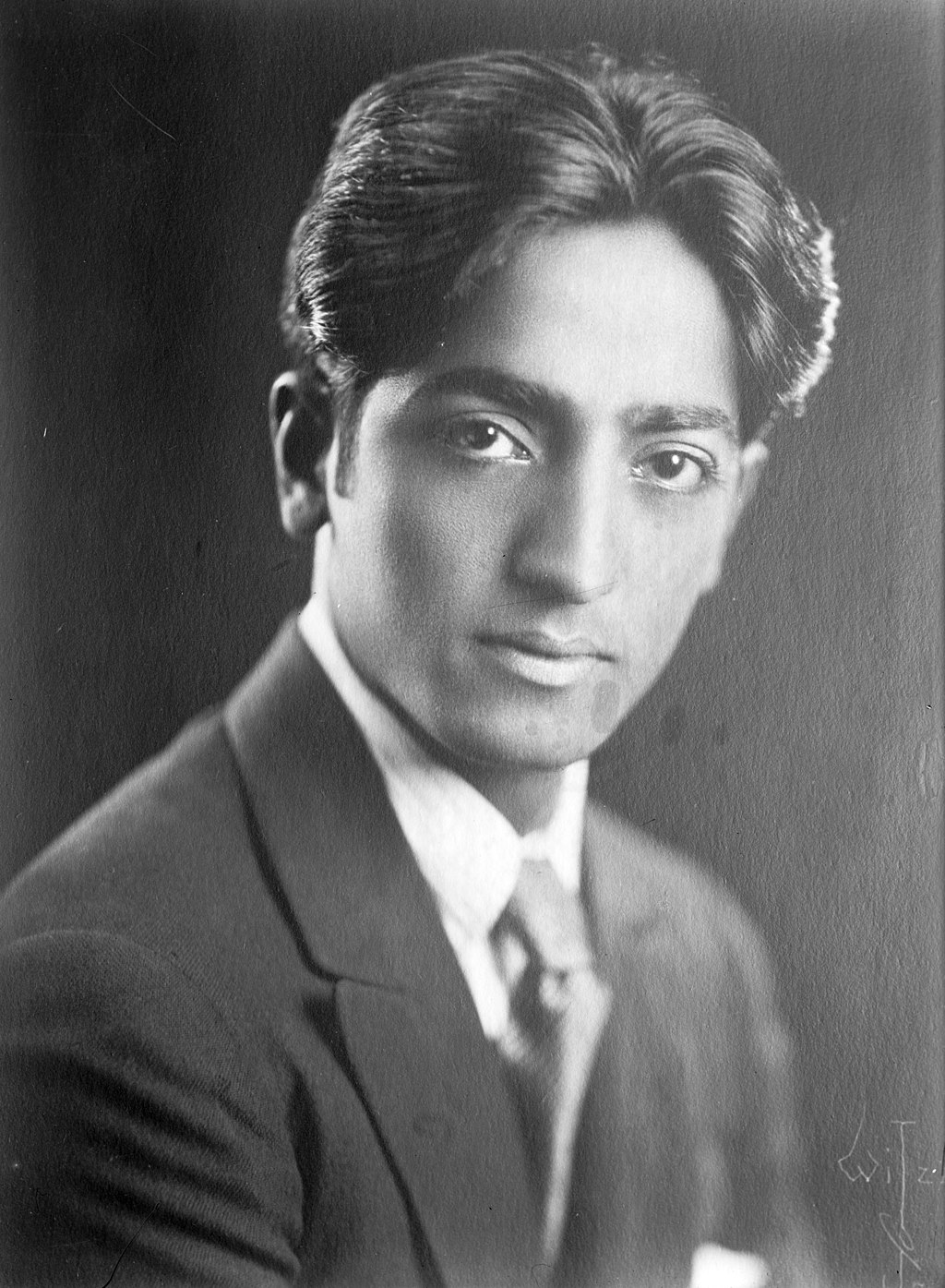
Jiddu Krishnamurti's assertion, "In the seeing of what is, there is the freedom from what is," invites us to explore the profound relationship between perception and liberation. At its core, this statement suggests that true freedom arises not from escaping reality but from fully engaging with it. In a world often clouded by illusion and distraction, understanding this principle can be transformative, allowing us to break free from the chains of our conditioned responses and preconceived notions.
To delve deeper, we must consider what it means to "see" in this context. Seeing is not merely a physical act; it encompasses a deeper awareness that transcends superficial observation. It calls for a radical openness to experience, a willingness to confront the truth of our circumstances without the filters of judgment or desire. This kind of seeing can lead us to a state of freedom that is both liberating and paradoxical, as it requires us to embrace what is rather than resist it.
The image / the metaphor
The imagery in Krishnamurti's quote evokes a sense of clarity and immediacy. "Seeing" implies a direct engagement with reality, a moment of pure awareness where the observer and the observed are not separate. The verb "is" anchors us in the present moment, emphasizing the importance of acknowledging our current state without embellishment or denial. This act of seeing is akin to peeling away layers of illusion, revealing the essence of our experiences and the world around us.
Diving deeper into the metaphor, we can understand that this seeing is not passive; it is an active engagement with life. It requires a courageous confrontation with our fears, desires, and the myriad distractions that cloud our perception. In this light, freedom emerges not as a distant goal but as an immediate possibility, accessible through the practice of mindful awareness. The paradox lies in the realization that by fully embracing what is, we paradoxically liberate ourselves from the very constraints that bind us.
In the speaker's tradition
Krishnamurti's teachings resonate deeply within the non-dual tradition, where the distinction between self and other, subject and object, begins to dissolve. Concepts such as dharma, which refers to the natural order of the universe, and sunyata, or emptiness, reflect the essence of his message. In this framework, the act of seeing is not merely an individual endeavor but a collective awakening to the interconnectedness of all existence. This understanding aligns with the notion of prajna, or wisdom, which arises from direct experience rather than intellectual understanding.
In his work, Krishnamurti often emphasizes the importance of self-inquiry, echoing the teachings found in various spiritual texts. For instance, the Buddhist concept of "right view" encourages practitioners to see things as they truly are, free from delusion. This parallels Krishnamurti's insistence on the necessity of seeing without the distortions of thought, allowing for a direct experience of reality that leads to liberation. His teachings serve as a bridge between ancient wisdom and contemporary understanding, inviting us to explore the depths of our perception.
Living the teaching
Consider a modern scenario where this teaching can be applied: a person grappling with anxiety about an upcoming job interview. Instead of succumbing to the urge to escape the discomfort of uncertainty, they could practice seeing their feelings as they arise. By acknowledging their anxiety without judgment, they create space for a deeper understanding of their emotions. This act of seeing transforms the experience from a source of fear into an opportunity for growth, allowing them to approach the interview with a sense of clarity and presence.
In the realm of relationships, the teaching can manifest in profound ways. Imagine a couple facing a recurring conflict that seems insurmountable. By choosing to see the situation as it truly is—acknowledging their feelings, fears, and desires without the veil of blame or resentment—they open the door to genuine communication. This practice of seeing fosters a deeper connection, allowing both partners to experience freedom from the patterns that have previously held them captive. In both scenarios, the act of seeing becomes a transformative practice, leading to greater awareness and liberation.
A reflection
As we contemplate Krishnamurti's words, we are invited to ask ourselves: What do I truly see in my life, and how does my perception shape my experience of freedom? This question encourages us to engage in a contemplative inquiry, examining the layers of our thoughts and beliefs that may obscure our vision. In the stillness of reflection, we may discover that the path to freedom lies not in changing our circumstances but in transforming our relationship to them through the power of clear seeing.
