Embracing the Unknown: The Gift of Now
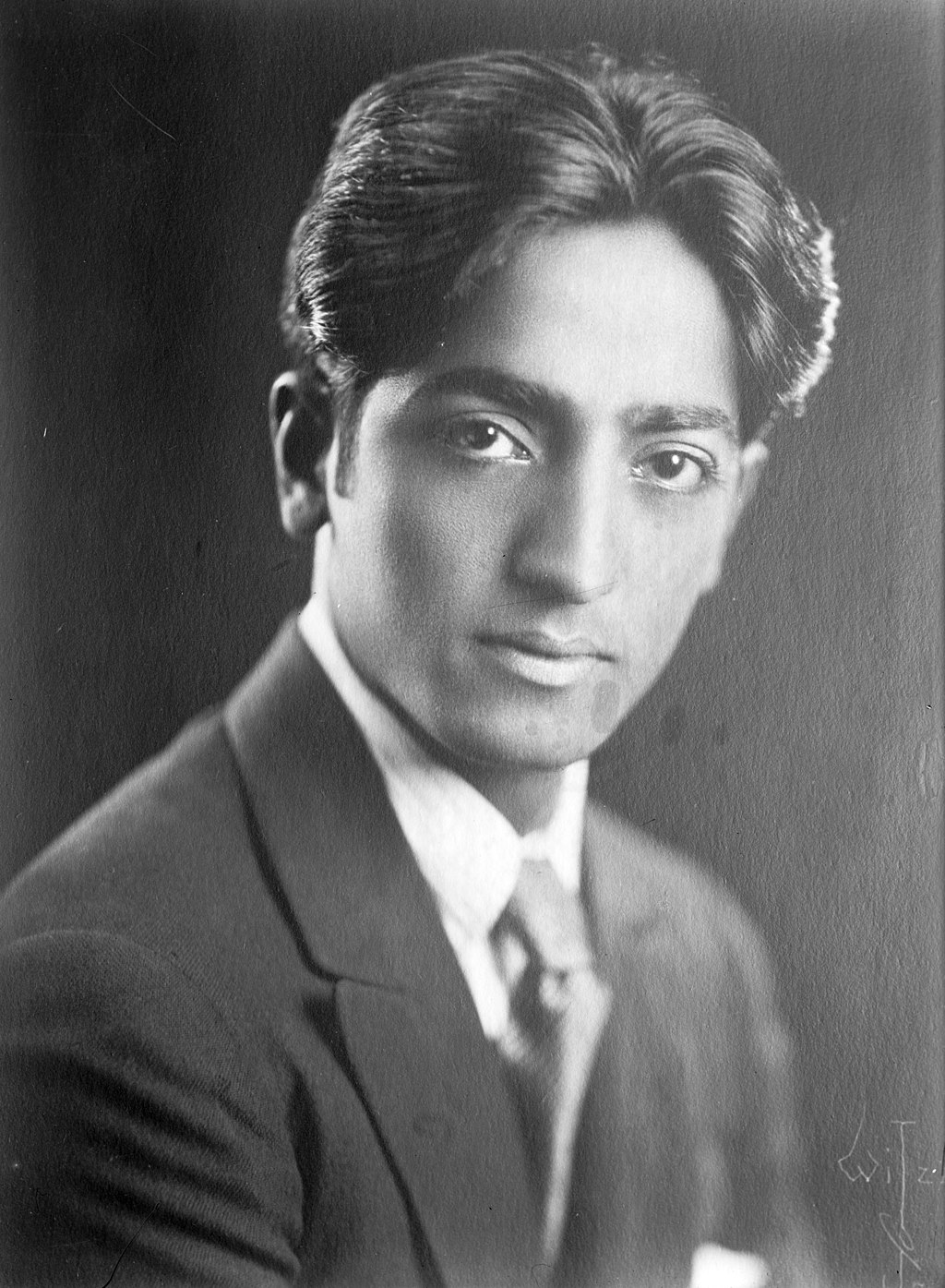
Jiddu Krishnamurti's assertion that "Death is the unknown. The unknown is now" invites us to confront the profound mystery of existence. In this statement, he intertwines the inevitability of death with the immediacy of the present moment, suggesting that our relationship with the unknown shapes our experience of life. This perspective challenges us to engage with the present, rather than deferring our understanding of life and death to a distant future. The stakes are high: to embrace this teaching is to cultivate a deeper awareness of our existence, urging us to live fully in the now.
As we delve deeper into Krishnamurti's words, we recognize that the unknown is not merely a source of fear but also a gateway to liberation. By acknowledging that death—often viewed as an endpoint—is intrinsically linked to the present moment, we are invited to reconsider our perceptions of both life and death. This realization can transform our approach to daily living, encouraging us to let go of attachments and fears that bind us, and to embrace the fluidity of existence. In doing so, we may find that the unknown is not something to be feared, but rather a space of potential and possibility.
The image / the metaphor
At first glance, Krishnamurti's quote presents a stark juxtaposition between death and the unknown, both of which evoke a sense of uncertainty. The imagery of death conjures feelings of finality and loss, while the unknown suggests a vast expanse of possibilities yet to be explored. The verbs chosen—"is" and "now"—ground the statement in immediacy, urging us to recognize that the unknown is not a distant reality but a present experience. This felt sense of urgency compels us to confront our fears and assumptions about life and death, inviting us to explore the depths of our consciousness.
Diving deeper into the metaphor, we see that the unknown represents not just the end of life, but also the myriad experiences we encounter daily. Each moment holds the potential for transformation, yet we often cling to familiarity, fearing the unpredictability of change. By equating death with the unknown, Krishnamurti encourages us to embrace uncertainty as a natural part of existence. This perspective invites us to cultivate a sense of curiosity and openness, allowing us to navigate the complexities of life with grace and acceptance.
In the speaker's tradition
Krishnamurti's teachings emerge from a rich tapestry of non-dual philosophy, which emphasizes the interconnectedness of all existence. Concepts such as *sunyata* (emptiness) and *fana* (annihilation of the self) resonate deeply with his assertion about death and the unknown. In this context, death is not an end but a transformation, a shedding of the ego that allows for a deeper understanding of the self and the universe. The recognition that the unknown is now aligns with the non-dual perspective that encourages us to transcend dualistic thinking and embrace the unity of all things.
In his dialogues, Krishnamurti often referenced the importance of direct experience over intellectual understanding. This aligns with the Buddhist notion of *prajna*, or wisdom, which arises from direct engagement with reality rather than abstract theorizing. By inviting us to confront the unknown in the present moment, Krishnamurti echoes the teachings found in various spiritual traditions that emphasize the significance of living fully and authentically. His insights challenge us to cultivate awareness and presence, allowing us to experience the richness of life as it unfolds.
Living the teaching
Consider a modern scenario where this teaching resonates: a person facing a significant life transition, such as a career change or the end of a relationship. In such moments, the fear of the unknown can be paralyzing, often leading to avoidance or procrastination. However, by embracing Krishnamurti's perspective, this individual can recognize that the unknown is not a void to be feared but a fertile ground for growth and discovery. By focusing on the present moment, they can approach the transition with curiosity and openness, allowing the experience to unfold without the weight of preconceived notions or expectations.
In the realm of relationships, the teaching can also be profoundly transformative. Imagine a couple navigating a difficult period, where fears of loss and uncertainty loom large. By acknowledging that the unknown is now, they can shift their focus from what might happen in the future to the richness of their current interactions. This shift fosters deeper communication and connection, allowing them to explore their feelings and vulnerabilities without the burden of fear. In both scenarios, the practice of embracing the unknown invites us to live more fully, cultivating presence and awareness in our daily lives.
A reflection
As we contemplate Krishnamurti's profound statement, we are left with a contemplative question: How can I embrace the unknown in my life today? This inquiry invites us to reflect on our relationship with uncertainty and to consider how we might approach the present moment with greater openness and acceptance. By engaging with this question, we can begin to unravel the layers of fear and attachment that often cloud our perception, allowing us to experience the beauty and potential inherent in the unknown.
