Illuminating the Wound: The Path of Light Through Suffering
Hafiz's poignant assertion, "The wound is where the Light enters you," invites us to reconsider our relationship with suffering and healing. This quote suggests that our deepest pains can serve as gateways to profound spiritual illumination. In a world that often seeks to avoid discomfort, Hafiz beckons us to embrace our wounds, revealing the transformative potential they hold. Understanding this perspective is vital, as it encourages us to find meaning in our struggles and to recognize the inherent beauty that can arise from our darkest moments.
Delving deeper, we find that Hafiz's words resonate with a universal truth: suffering is not merely an obstacle to be overcome but a catalyst for growth and enlightenment. The light that enters through our wounds symbolizes wisdom, compassion, and a deeper connection to the divine. By acknowledging our vulnerabilities, we open ourselves to healing and the possibility of a richer, more authentic existence. This invitation to explore the interplay between pain and illumination is a central theme in many spiritual traditions, particularly within Sufism, where the journey of the soul often traverses the landscape of suffering toward a greater understanding of love and unity.
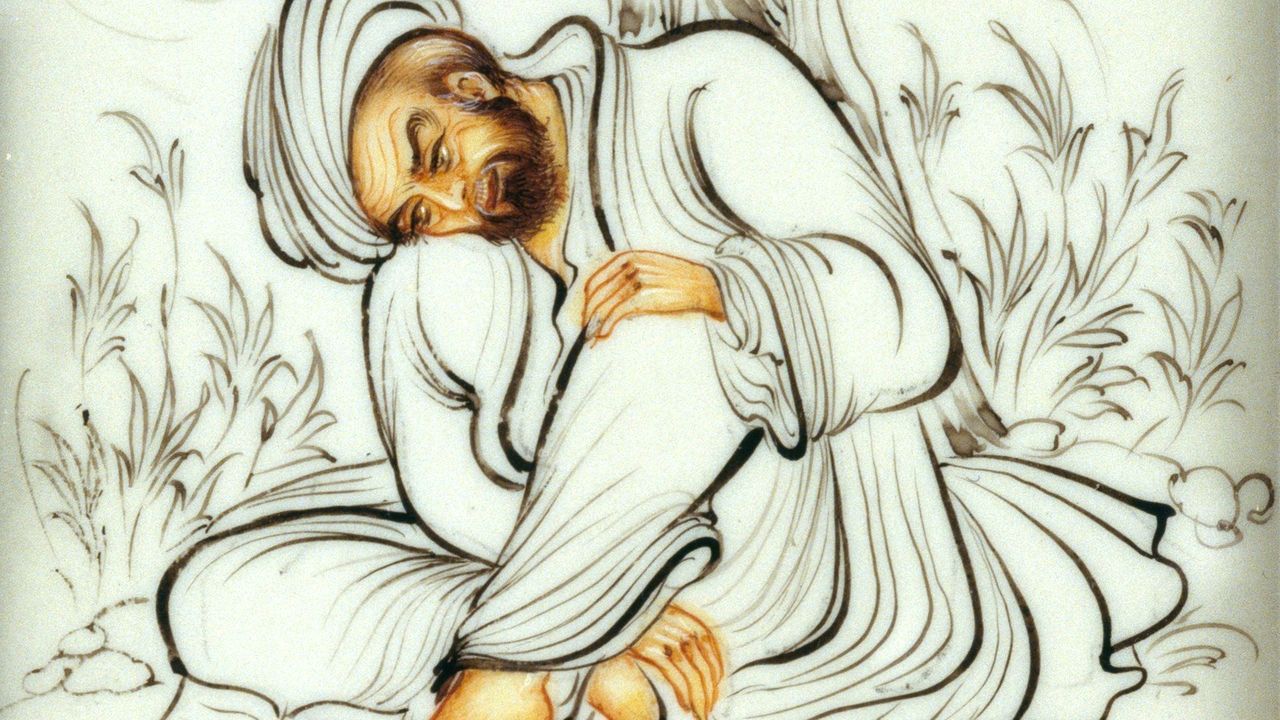
The image / the metaphor
At first glance, the imagery in Hafiz's quote evokes a visceral sense of vulnerability. The "wound" conjures feelings of pain, loss, and fragility, while "Light" symbolizes hope, healing, and divine presence. The choice of the verb "enters" suggests an active process, as if the light is not merely present but is seeking to penetrate the darkness of our suffering. This dynamic interplay between wound and light creates a powerful metaphor for the human experience, illustrating how our deepest scars can become sources of strength and insight.
Moreover, the metaphor extends beyond the individual to encompass the collective human experience. Just as a wound can be a personal affliction, it can also represent the shared suffering of humanity. In this light, the entry of light through our wounds becomes a communal journey toward healing and understanding. It invites us to recognize that our struggles are not isolated but part of a larger tapestry of existence, where each thread of pain contributes to the overall beauty and complexity of life.
In the speaker's tradition
Hafiz's wisdom is deeply rooted in the Sufi tradition, which emphasizes the transformative power of love and the necessity of traversing the inner landscape of suffering. Concepts such as "fana," or the annihilation of the self, resonate with the idea that through our wounds, we can transcend our ego and connect with the divine. This journey often requires a process of "kenosis," or self-emptying, allowing us to release our attachments and open ourselves to the light that seeks to enter. In Sufism, the acknowledgment of suffering is not a sign of weakness but a pathway to deeper faith and understanding.
In the works of other Sufi poets, such as Rumi, we find similar themes that echo Hafiz's insights. Rumi's poetry often speaks of the necessity of embracing pain as a means of awakening to love and unity. For instance, in his poem "The Guest House," he invites us to welcome all emotions, including sorrow and suffering, as they are essential to the human experience. This alignment with Hafiz's message underscores the Sufi belief that through our wounds, we can access a profound sense of connection to the divine and to one another.
Living the teaching
Consider a modern scenario where this teaching resonates: a person grappling with the loss of a loved one. Initially, the pain may feel insurmountable, leading to feelings of isolation and despair. However, as time passes, this wound can become a source of light, prompting the individual to reflect on the love shared and the lessons learned. In this way, the experience of grief transforms into a deeper appreciation for life, fostering compassion for others who suffer similarly. The light that enters through this wound can illuminate a path toward healing and connection, allowing the individual to honor their loss while also embracing the beauty of life.
In relationships, the application of Hafiz's teaching can manifest during conflicts or misunderstandings. When partners confront their wounds—be it past traumas or unmet needs—they may initially feel vulnerable and exposed. Yet, by sharing these wounds with one another, they create an opportunity for deeper intimacy and understanding. The light that enters through their shared vulnerability can strengthen their bond, transforming pain into a foundation for love and trust. This process encourages a culture of openness and healing, where both individuals can grow together through their experiences.
A reflection
As we contemplate Hafiz's profound insight, we are invited to reflect on our own wounds and the light that may be waiting to enter. What experiences of suffering have led to moments of illumination in your life? Consider how embracing your vulnerabilities can open pathways to healing and deeper connections with yourself and others. In this exploration, may we find the courage to welcome the light that seeks to enter through our wounds, transforming our pain into a source of strength and wisdom.