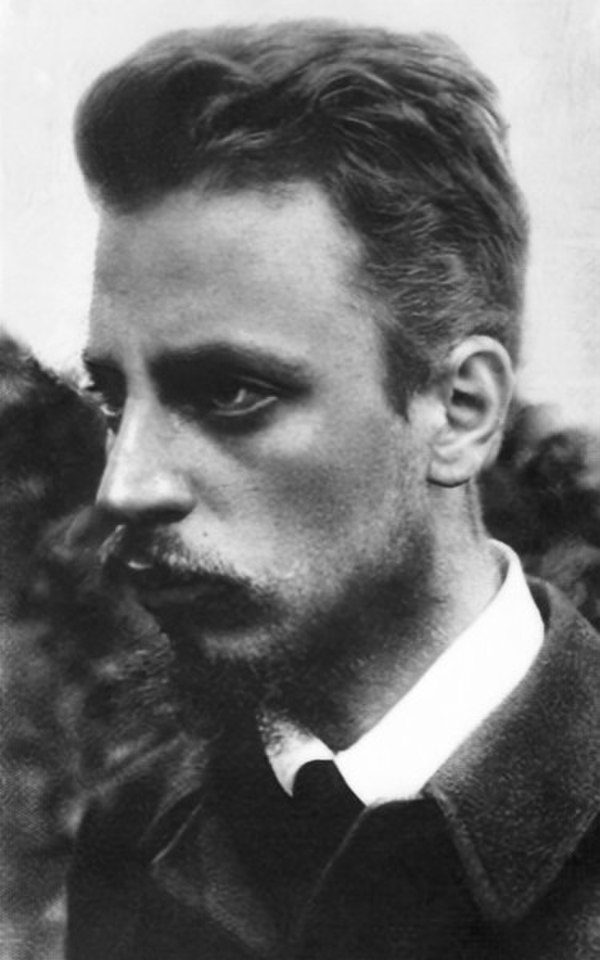
The Breath of Existence: Embracing Life's Whispers
Rainer Maria Rilke's poignant assertion, "Truly, it is good to be alive — to know how the wind on the hills is," invites us to embrace the profound beauty of existence. In this simple yet profound statement, Rilke encapsulates the essence of presence, urging us to awaken to the subtleties of life that often go unnoticed. The stakes are high; in a world that frequently distracts us with noise and haste, recognizing the goodness of being alive becomes an act of rebellion against the mundane. This awareness is not merely a fleeting sentiment but a transformative practice that can deepen our connection to ourselves and the world around us.
To truly appreciate Rilke's words, we must delve into the layers of meaning embedded within them. The phrase evokes a sense of gratitude, a recognition that life itself, with all its complexities, is a gift. It beckons us to pause and reflect on the simple yet profound experiences that fill our days, such as the gentle caress of the wind or the rustle of leaves on a hill. In doing so, Rilke invites us to cultivate a sense of presence, to be fully engaged in the moment, and to acknowledge the beauty that surrounds us. This call to awareness is not just a passive observation but an active engagement with the world, a reminder that life is rich with meaning if we choose to see it.
The image / the metaphor
At first glance, Rilke's imagery of "the wind on the hills" conjures a vivid picture of nature's gentle forces. The wind, often seen as an invisible presence, becomes a metaphor for the unseen currents of life that shape our experiences. The hills, steadfast and enduring, symbolize the grounding aspects of our existence. Together, they create a dynamic interplay between the ephemeral and the eternal, reminding us that life is a dance between movement and stillness. The choice of the word "know" suggests a deep, intimate understanding, one that transcends mere observation and invites us to feel the essence of life itself.
Diving deeper into this metaphor, we can see that the wind represents the breath of life, a vital force that connects all living beings. Just as the wind flows freely, so too does our experience of life ebb and flow, filled with moments of joy, sorrow, and everything in between. Rilke's invitation to "know" the wind implies an invitation to engage with our emotions and experiences fully, to allow ourselves to be swept up in the currents of existence without resistance. This understanding fosters a sense of unity with the world, encouraging us to recognize that we are not separate from nature but an integral part of its unfolding story.
In the speaker's tradition
Rainer Maria Rilke's work is deeply rooted in the mystic tradition, where the exploration of existence often leads to profound insights about the nature of reality. Concepts such as *kenosis*, the self-emptying of one's will to make room for divine presence, resonate with Rilke's call to embrace life fully. In this context, the act of being alive becomes a sacred practice, a way to align ourselves with the greater rhythms of the universe. The notion of *fana*, or the dissolution of the self into the divine, further enriches our understanding of Rilke's message, suggesting that true awareness of life comes from surrendering our ego and opening ourselves to the fullness of existence.
Rilke's reflections can be likened to the teachings found in the *Tao Te Ching*, where Lao Tzu emphasizes the importance of being in harmony with the natural world. Just as Rilke encourages us to know the wind, Lao Tzu invites us to flow with the currents of life, recognizing that true wisdom lies in our ability to be present and attuned to the world around us. Both texts remind us that life is a continuous unfolding, and our awareness of it can lead to a deeper understanding of our place within the cosmos.
Living the teaching
Consider a modern scenario where Rilke's teaching might resonate: a busy commuter navigating the chaos of city life. In the rush to reach their destination, the individual may overlook the beauty of the world around them—the laughter of children playing, the vibrant colors of street art, or the gentle sway of trees in the breeze. By pausing to acknowledge these moments, one can cultivate a sense of gratitude and presence, transforming a mundane commute into a rich tapestry of experiences. This practice of awareness can shift our perception of daily life, allowing us to find joy even in the most ordinary circumstances.
In relationships, Rilke's invitation to embrace life can manifest as a deeper connection with loved ones. Imagine a moment of tension or misunderstanding; instead of reacting defensively, one might choose to breathe deeply and acknowledge the shared humanity in the situation. By recognizing the underlying currents of emotion, we can foster empathy and understanding, allowing the relationship to flourish. This practice of presence not only enriches our connections but also serves as a reminder that life, in all its complexity, is a shared journey, inviting us to walk together with open hearts.
A reflection
As we contemplate Rilke's profound statement, we are left with a contemplative question: How can we cultivate a deeper awareness of the beauty and richness of our lives in each moment? This inquiry invites us to explore our relationship with presence, encouraging us to seek out the subtle whispers of existence that often go unnoticed. By engaging with this question, we can begin to weave a tapestry of gratitude and appreciation, transforming our everyday experiences into a celebration of life itself.



Join the BrightStar Community
Stay connected with daily inspiration, event announcements, and community wisdom