Unlocking the Heart: The Journey Beyond Sight
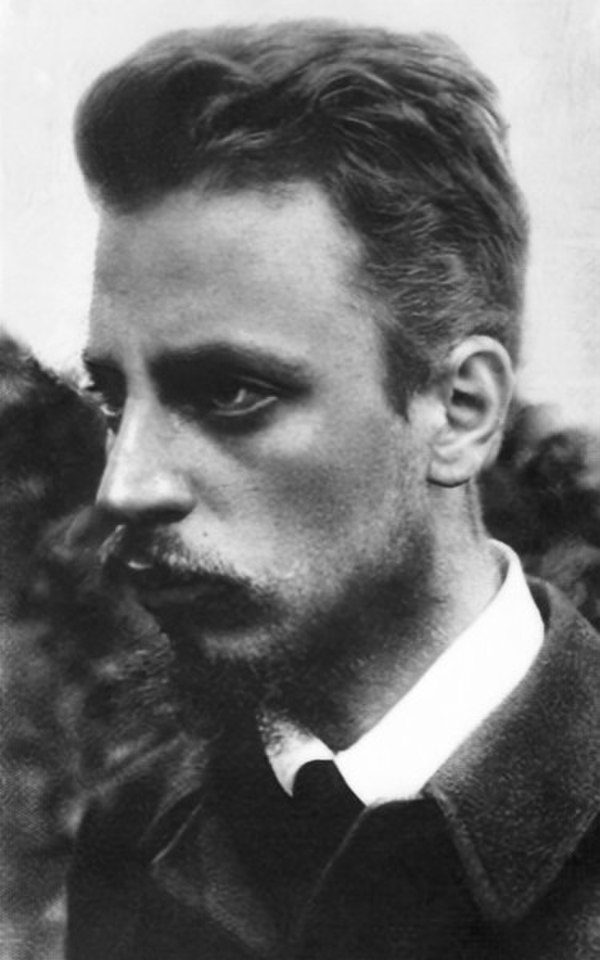
Rainer Maria Rilke invites us to transcend the mere act of seeing, urging us to engage in the deeper, more profound work of the heart. He suggests that while our eyes may have captured the world around us, it is now time to turn inward and confront the images and emotions that reside within us. This call to action is not merely poetic; it is a profound reminder of the necessity of inner exploration and emotional honesty in our spiritual journeys.
In a world often dominated by external distractions and superficial engagements, Rilke's words resonate with a timeless urgency. The "heart-work" he speaks of is an invitation to delve into our own interior landscapes, to confront the feelings and memories that shape our identities. It is a reminder that true understanding and transformation arise not from the external but from the depths of our own being, where the most authentic images of ourselves reside, waiting to be acknowledged and integrated.
The image / the metaphor
At the heart of Rilke's quote lies a rich tapestry of imagery and metaphor. The phrase "the work of the eyes is done" evokes a sense of completion, suggesting that we have exhausted the possibilities of external observation. The eyes, often seen as windows to the world, have fulfilled their role, yet Rilke urges us to shift our focus inward. The term "heart-work" introduces a new dimension, one that emphasizes emotional labor and the necessity of engaging with our inner selves. The "images imprisoned within you" conjures a sense of confinement, hinting at the unexpressed thoughts and feelings that yearn for liberation.
Diving deeper into this metaphor, we can see that Rilke is not merely advocating for introspection but is calling for a transformative process. The heart, often associated with love and compassion, also serves as a vessel for our deepest fears, regrets, and desires. By engaging in heart-work, we embark on a journey of self-discovery, where we confront the shadows that linger within us. This process is akin to an artist releasing their creation from the confines of a canvas; it requires courage, vulnerability, and a willingness to embrace the complexity of our emotional landscapes.
In the speaker's tradition
Rainer Maria Rilke's work is deeply rooted in the tradition of mysticism, where the exploration of the inner self is paramount. Concepts such as kenosis, the self-emptying of one's will to make room for divine presence, resonate with Rilke's call to engage in heart-work. This idea parallels the Buddhist notion of sunyata, or emptiness, which invites practitioners to let go of attachments and preconceived notions to uncover deeper truths within. Both traditions emphasize the importance of looking beyond the surface to find the essence of our being.
Rilke's emphasis on the heart as a site of transformation can also be likened to the concept of bhakti in Hinduism, where devotion and love for the divine lead to profound inner change. In his poem "Letters to a Young Poet," Rilke encourages the young poet to embrace solitude and the depths of their own experience, suggesting that true creativity and understanding arise from this intimate relationship with oneself. This aligns with the idea that the heart, when fully engaged, becomes a source of wisdom and insight, guiding us toward a more authentic existence.
Living the teaching
Consider a modern scenario where Rilke's teaching can be applied: a person grappling with the aftermath of a significant life change, such as a job loss or the end of a relationship. In the initial stages, they may find themselves overwhelmed by external distractions—scrolling through social media, seeking validation from friends, or immersing themselves in work. However, Rilke's call to do the heart-work encourages them to pause and reflect on the emotions that arise from this transition. By journaling or engaging in contemplative practices, they can begin to explore the images and feelings that have been imprisoned within, allowing for healing and growth.
Another application of this teaching can be found in interpersonal relationships. Imagine a couple facing unresolved conflicts that have led to emotional distance. Rilke's invitation to engage in heart-work can serve as a catalyst for deeper communication. Instead of merely addressing surface-level issues, they can create a safe space to share their vulnerabilities and fears, exploring the images that have shaped their perceptions of one another. This heart-centered approach fosters empathy and understanding, ultimately strengthening their bond and allowing for a more authentic connection.
A reflection
As we contemplate Rilke's profound invitation, we are left with a contemplative question: What images and emotions reside within me, waiting to be acknowledged and transformed? This inquiry invites us to embark on our own heart-work, encouraging us to explore the depths of our being and embrace the complexity of our inner lives. In doing so, we may discover the beauty and wisdom that lie within, illuminating our paths toward greater authenticity and connection.



Join the BrightStar Community
Stay connected with daily inspiration, event announcements, and community wisdom