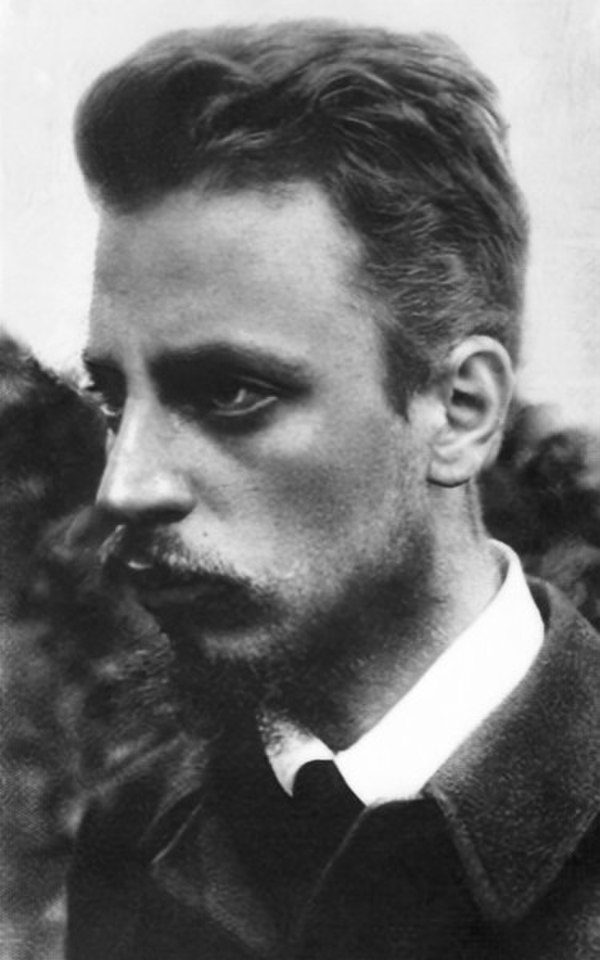
The Song of Reality: A Journey into Being
Rainer Maria Rilke's poignant inquiry, "Song is reality. Simple, for a god. But when can we be real?" invites us to explore the profound relationship between art, existence, and the essence of being. In this statement, Rilke suggests that the divine, or the ultimate reality, is akin to a song—fluid, harmonious, and transcendent. Yet, he juxtaposes this celestial simplicity with a haunting question about our own authenticity. This tension between the ideal and the real beckons us to examine our lives, our art, and our connection to the world around us.
To delve deeper into Rilke's words is to confront the complexities of existence itself. The notion of "being real" implies a struggle against the facades we often wear, the roles we play, and the societal expectations that shape our identities. Rilke's inquiry resonates with anyone who has grappled with the desire for authenticity in a world that often prioritizes superficiality. This exploration is not merely philosophical; it is a call to engage with the depths of our own reality, to seek the song that resonates within us, and to understand how we might express that song in our lives.
The image / the metaphor
At first glance, Rilke's metaphor of song evokes a sense of beauty and harmony. The imagery of "song" suggests a natural, effortless expression of existence, one that flows from the divine. The choice of the word "simple" implies that for a god, the act of creating reality is as intuitive as breathing. Yet, the phrase "when can we be real?" introduces a stark contrast, highlighting the complexity of human existence. It evokes a sense of yearning, a longing for a state of being that feels genuine and unencumbered by the weight of expectation.
Diving deeper into this metaphor, we can see that song represents not just beauty but also the interconnectedness of all things. Just as a song is composed of various notes that come together to create a harmonious whole, our lives are made up of myriad experiences, emotions, and relationships. Rilke's challenge to be "real" invites us to consider how we might harmonize these elements within ourselves, to find our unique melody amidst the cacophony of life. In this sense, the quest for authenticity becomes an artistic endeavor, one that requires both courage and creativity.
In the speaker's tradition
Rainer Maria Rilke's exploration of reality and authenticity is deeply rooted in the mystical traditions that emphasize the importance of inner experience and the quest for truth. Concepts such as "kenosis," the self-emptying of one's ego to allow for divine presence, resonate with Rilke's call for authenticity. In many mystical paths, including those found in Sufism and Buddhism, the dissolution of the self is seen as a necessary step toward experiencing a more profound reality. This aligns with Rilke's assertion that to be real is to transcend the limitations of our constructed identities.
Moreover, Rilke's work can be compared to the teachings found in the "Tao Te Ching," where Laozi speaks of the importance of aligning oneself with the natural flow of existence. In both traditions, there is an understanding that true reality is not something to be grasped or controlled but rather something to be experienced and expressed. Rilke's sonnets, particularly in "Sonnets to Orpheus," echo this sentiment, as they celebrate the transformative power of art and the necessity of surrendering to the creative process as a means of accessing deeper truths.
Living the teaching
Consider a modern scenario where Rilke's teaching on authenticity might resonate: a workplace environment where individuals often feel pressured to conform to a corporate identity, sacrificing their true selves for the sake of productivity. In such a setting, the challenge becomes one of finding ways to express one's unique voice while navigating the expectations of the organization. This might involve sharing creative ideas in meetings, advocating for personal values, or fostering a culture of openness that encourages others to do the same. By embracing the notion that "song is reality," individuals can begin to cultivate a more authentic work environment, one that honors both personal expression and collective harmony.
In the realm of relationships, Rilke's inquiry can serve as a powerful reminder to engage with others authentically. Imagine a moment of conflict with a loved one, where the instinct might be to retreat behind defensiveness or pretense. Instead, Rilke's challenge invites us to be vulnerable, to express our true feelings and desires, and to listen deeply to the other person. This act of authenticity can transform the relationship, allowing for deeper connection and understanding. In these moments, we are not just participants in a dialogue; we are co-creators of a shared reality, crafting a song that resonates with truth and love.
A reflection
As we reflect on Rilke's profound question, "when can we be real?" we are invited to consider our own lives and the ways in which we might be holding back our true selves. What aspects of our existence feel inauthentic or constrained by external expectations? In what ways can we embrace our inner song, allowing it to guide us toward a more genuine expression of being? This contemplation invites us to explore the delicate balance between our individual realities and the collective harmony we seek, encouraging us to engage with life as a creative and spiritual practice.

Join the BrightStar Community
Stay connected with daily inspiration, event announcements, and community wisdom