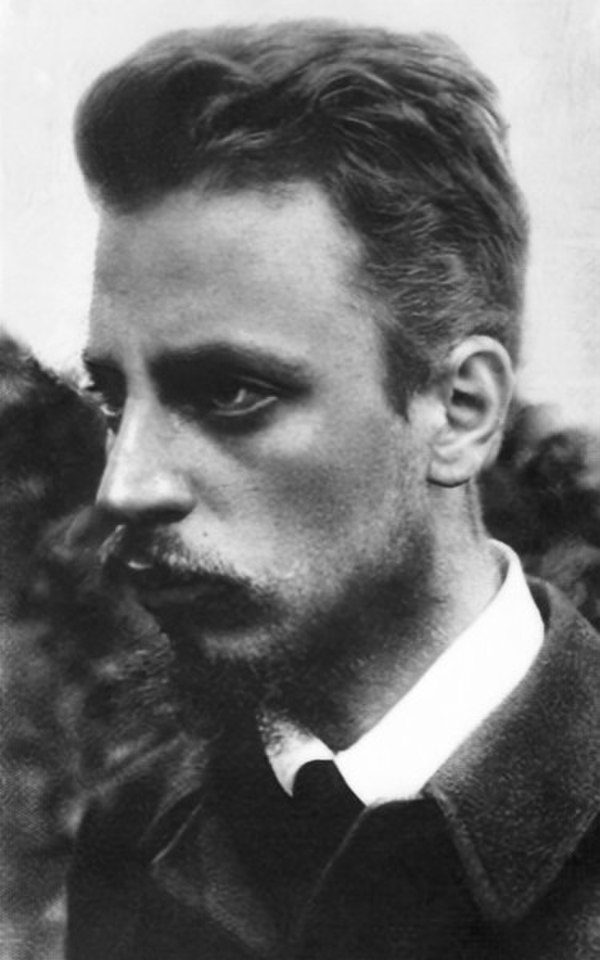
The Breath of Silence: Expanding the Inner Landscape
Rainer Maria Rilke's evocative line, "Silent friend of many distances, feel how your breath enlarges all of space," invites us into a profound exploration of the relationship between breath, silence, and the vastness of existence. In this quote, Rilke beckons us to recognize the transformative power of our breath, suggesting that it is not merely a biological function but a spiritual act that connects us to the universe. This realization holds significant implications for our understanding of presence, awareness, and the interconnectedness of all things.
As we delve deeper into Rilke's words, we uncover layers of meaning that resonate with the mystic traditions across cultures. The breath, often seen as a bridge between the physical and spiritual realms, serves as a reminder of our inherent connection to the cosmos. In a world that often feels fragmented and disjointed, Rilke's invitation to "feel how your breath enlarges all of space" encourages us to embrace the stillness within, allowing it to expand our perception and understanding of reality.
The image / the metaphor
At first glance, Rilke's imagery conjures a sense of expansive tranquility. The phrase "silent friend" suggests a companionable presence, one that is both intimate and vast. The act of breathing, described as something that can "enlarge all of space," evokes a feeling of boundless potential. This metaphorical language invites us to consider how our breath can transcend the limitations of our physical bodies, connecting us to the infinite expanse of the universe.
Diving deeper into this metaphor, we can see that Rilke is not merely speaking of physical space but also of emotional and spiritual dimensions. The breath, often associated with life force or "prana" in various traditions, becomes a conduit for experiencing the interconnectedness of all beings. In this light, silence is not an absence but a fertile ground where our breath can cultivate awareness, allowing us to expand our consciousness and embrace the fullness of existence.
In the speaker's tradition
Rainer Maria Rilke's work is steeped in the mystical traditions of both Western and Eastern philosophies. His exploration of the inner life resonates with concepts such as "kenosis," the idea of self-emptying to allow for divine presence, and "fana," the annihilation of the self in the experience of unity with the cosmos. These ideas echo the sentiments found in various spiritual texts, where the act of surrendering to the moment can lead to profound transformation and enlightenment.
In Rilke's "Sonnets to Orpheus," we find a rich tapestry of imagery that speaks to the soul's journey toward wholeness. The sonnets reflect a deep engagement with the idea of creation and the role of the artist as a conduit for divine inspiration. This aligns with the notion of "bhakti," or devotion, where the act of breathing becomes a sacred practice, allowing us to connect with the divine essence that permeates all existence.
Living the teaching
Consider a modern scenario where the teachings embedded in Rilke's quote can be applied: a moment of anxiety in a crowded space. As we navigate the chaos of daily life, we often forget the power of our breath. By consciously taking a few deep breaths, we can create a pocket of silence within ourselves, allowing our breath to expand our awareness and transform our experience. This simple act can shift our perception, helping us to feel more grounded and connected to the world around us.
In the context of relationships, Rilke's invitation to embrace silence and breath can be particularly transformative. During a difficult conversation, instead of reacting impulsively, we can pause and breathe deeply. This practice not only fosters a sense of calm but also opens the space for deeper understanding and connection. By allowing our breath to guide us, we create an opportunity for compassion and empathy, enriching our interactions with others.
A reflection
As we reflect on Rilke's profound words, we are left with a contemplative question: How can I cultivate a deeper awareness of my breath as a means to expand my experience of the world? This inquiry invites us to explore the ways in which our breath can serve as a bridge to silence, connection, and the vastness of existence. In embracing this practice, we may discover new dimensions of ourselves and our relationships with others, ultimately enriching our journey through life.



Join the BrightStar Community
Stay connected with daily inspiration, event announcements, and community wisdom