The Weight of Seriousness: Embracing the Difficult
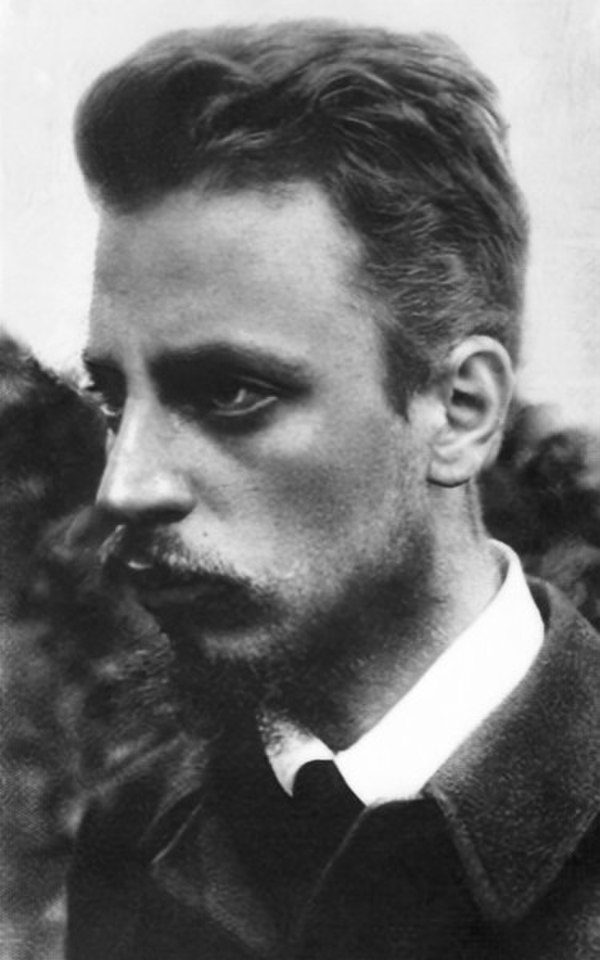
Rainer Maria Rilke's assertion that "Sex is difficult; yes. But it is the difficult that is laid upon us, almost everything serious is difficult, and everything is serious" invites us to confront the inherent challenges of life. In this statement, Rilke acknowledges the complexities of human experience, suggesting that the very essence of what we deem serious is intertwined with difficulty. This perspective compels us to reflect on our relationship with the challenges we face, urging us to recognize that within these struggles lies profound meaning and depth.
Rilke's words resonate deeply in a world that often seeks to avoid discomfort. By framing difficulty as an essential aspect of seriousness, he encourages us to embrace our struggles rather than shy away from them. This invitation to engage with the difficult aspects of life is not merely a call to endure but a profound recognition that our growth and understanding emerge from these very challenges. In this light, Rilke's insight becomes a guiding principle for navigating the complexities of existence.
The image / the metaphor
At first glance, Rilke's quote presents a stark image of difficulty, particularly in the context of sex—a subject often shrouded in both intimacy and tension. The choice of the word "difficult" evokes a visceral sense of struggle, suggesting that the act itself is laden with emotional and psychological weight. This imagery extends beyond the physical realm, inviting us to consider the broader implications of our engagements with one another and with ourselves. The verbs chosen—"laid upon us"—imply a burden, a responsibility that we must bear, highlighting the seriousness of our interactions and the depth of our connections.
Diving deeper into the metaphor, we can see that Rilke is not merely speaking of sexual intimacy but rather of the intricate tapestry of human relationships and experiences. The notion that "everything is serious" expands the scope of difficulty to encompass all aspects of life, from our personal struggles to our communal responsibilities. This perspective encourages us to view challenges as opportunities for growth and transformation, suggesting that the very act of confronting difficulty can lead to a richer understanding of ourselves and our place in the world.
In the speaker's tradition
Rainer Maria Rilke's reflections are deeply rooted in the mystical tradition, where the exploration of the self and the divine often involves grappling with profound difficulties. Concepts such as kenosis—the idea of self-emptying—resonate with Rilke's assertion that embracing difficulty is essential for spiritual growth. In this context, the act of surrendering to the challenges we face can lead to a deeper understanding of our true nature and our interconnectedness with others. This mystical approach invites us to see difficulty not as an obstacle but as a pathway to enlightenment.
Moreover, Rilke's emphasis on seriousness aligns with the Buddhist concept of sunyata, or emptiness, which teaches that the essence of existence is often found in the midst of struggle and impermanence. In his "Letters to a Young Poet," Rilke encourages the young poet to embrace the uncertainties of life, much like the Buddhist practitioner who learns to navigate the complexities of existence with grace. Both traditions remind us that the journey through difficulty is not only inevitable but also essential for cultivating wisdom and compassion.
Living the teaching
Consider a modern scenario where this teaching resonates: a young artist grappling with self-doubt as they attempt to create a meaningful piece of work. The artist may feel overwhelmed by the weight of expectation and the fear of failure, yet it is precisely this difficulty that can lead to profound artistic expression. By embracing the struggle, the artist opens themselves to a deeper exploration of their emotions and experiences, ultimately transforming their challenges into a source of inspiration. This process illustrates Rilke's assertion that the serious nature of creativity is intertwined with the difficulties we face.
In the realm of relationships, Rilke's insight can be applied to moments of conflict or misunderstanding between partners. When faced with a disagreement, it is easy to retreat into avoidance or defensiveness. However, by recognizing the seriousness of the relationship and the inherent difficulties that arise, partners can engage in open communication and vulnerability. This willingness to confront challenges together not only strengthens the bond but also deepens the understanding of one another, illustrating that the serious nature of love is often accompanied by the labor of navigating difficulties.
A reflection
As we contemplate Rilke's profound words, we are invited to consider the role of difficulty in our own lives. What challenges are we currently facing that we might be tempted to avoid or dismiss? In recognizing these struggles as integral to our growth and understanding, we can begin to shift our perspective, embracing the serious nature of our experiences as opportunities for transformation. How might we approach our difficulties with a sense of curiosity and openness, allowing them to guide us toward deeper insights about ourselves and our connections with others?



Join the BrightStar Community
Stay connected with daily inspiration, event announcements, and community wisdom