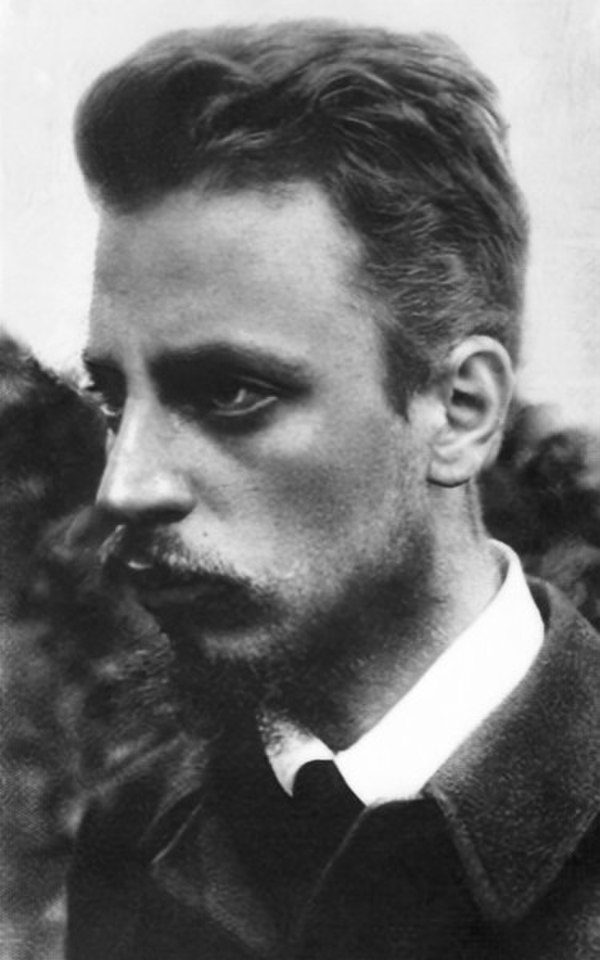
The Transformative Power of Words
Rainer Maria Rilke's assertion, "Once a thing has been said, it is no longer the same thing," invites us to reflect on the profound nature of language and its impact on our understanding of reality. This statement suggests that the act of articulation alters the essence of what is expressed, transforming it into something new and distinct from its original form. In a world where communication is ubiquitous, this insight holds significant weight, urging us to consider the implications of our words and the truths they convey.
At its core, Rilke's observation speaks to the delicate interplay between silence and speech, a theme that resonates deeply within the realm of mysticism. The moment we give voice to our thoughts, we not only share our inner world but also create a distance between our original experience and its verbal representation. This transformation can lead to a richer understanding of our own truths, yet it also poses the risk of misinterpretation and loss of nuance. Thus, Rilke's words compel us to navigate the complexities of expression with care and mindfulness.
The image / the metaphor
Rilke's quote evokes a vivid image of the ephemeral nature of language. The phrase "once a thing has been said" suggests a moment frozen in time, where the act of speaking crystallizes an idea into a tangible form. The choice of the verb "said" implies a definitive action, one that cannot be undone. This notion of permanence contrasts sharply with the fluidity of thought, highlighting the tension between our internal experiences and their external manifestations.
Diving deeper into the metaphor, we can see that Rilke is not merely commenting on the mechanics of language but is also exploring the essence of truth itself. The act of speaking transforms an idea, infusing it with the speaker's perspective, emotions, and context. Consequently, the spoken word becomes a reflection of the speaker's inner landscape, forever altering the original thought. This transformation invites us to consider the limitations of language in capturing the fullness of our experiences and the inherent beauty of silence that often precedes expression.
In the speaker's tradition
Rainer Maria Rilke's insights are deeply rooted in the mystical traditions that emphasize the significance of silence and the ineffable nature of truth. Concepts such as "sunyata" in Buddhism, which refers to the emptiness or void that precedes form, resonate with Rilke's understanding of the transformative power of speech. Similarly, the idea of "kenosis" in Christian mysticism, which speaks to the self-emptying of the divine, parallels the notion that true understanding often lies beyond words, in the silence that envelops our thoughts before they are articulated.
In Rilke's own work, particularly in his "Letters to a Young Poet," he emphasizes the importance of solitude and introspection as pathways to deeper understanding. He encourages the young poet to embrace silence and to allow thoughts to mature before giving them voice. This aligns with the mystical tradition's reverence for the unspoken, suggesting that the most profound truths often reside in the spaces between words, waiting to be discovered in the quietude of our hearts.
Living the teaching
Consider a modern scenario where this teaching resonates: a heated discussion among friends about a sensitive topic. Each person brings their own experiences and emotions to the conversation, and as they articulate their thoughts, the original feelings and ideas become transformed. What began as a shared experience can quickly evolve into a series of interpretations, each colored by the speaker's perspective. In this context, Rilke's insight serves as a reminder to pause and reflect on the essence of what is being communicated, encouraging deeper listening and a return to the shared silence that initially sparked the conversation.
In a different application, think about a relationship where misunderstandings often arise from miscommunication. When one partner expresses a feeling, the other may interpret it through their own lens, leading to a disconnect. Rilke's quote invites both partners to explore the silence that exists before words are spoken, fostering an environment where they can share their truths without the fear of distortion. By embracing the transformative nature of language, they can cultivate a deeper understanding of one another, allowing their relationship to flourish in the richness of both spoken and unspoken truths.
A reflection
As we contemplate Rilke's profound observation, we are left with a contemplative question: How can we honor the silence that precedes our words, allowing our truths to emerge authentically and without distortion? This inquiry invites us to explore the spaces between our thoughts and expressions, encouraging us to cultivate a deeper awareness of the transformative power of language in our lives.



Join the BrightStar Community
Stay connected with daily inspiration, event announcements, and community wisdom