Embracing the Alchemy of Loss
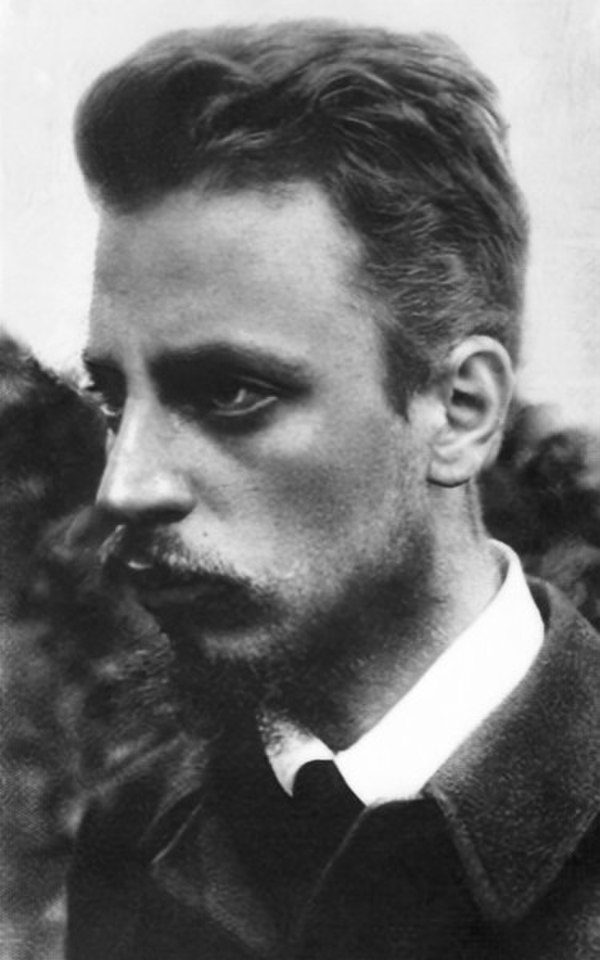
Rainer Maria Rilke invites us to engage with the transformative power of our experiences, particularly the losses that shape our lives. He suggests that we must navigate through these profound changes, both outwardly and inwardly, and that our response to bitterness can lead to a metamorphosis akin to turning water into wine. This notion of transformation is not merely a poetic flourish; it is a call to embrace the alchemical process of change that can arise from our deepest suffering.
In a world that often seeks to avoid discomfort, Rilke's words challenge us to confront our pain and to recognize it as a catalyst for growth. The imagery of moving through transformation suggests a dynamic process, one that requires both action and introspection. By asking us to consider our deepest losses, Rilke compels us to reflect on how these experiences can serve as fertile ground for personal evolution, urging us to shift our perspective from despair to possibility.
The image / the metaphor
The quote employs rich imagery that evokes a sense of movement and transformation. The phrase "move through transformation" suggests a journey, one that is not static but rather fluid and ongoing. The juxtaposition of "bitter" and "wine" serves as a powerful metaphor for the alchemical process of transmuting suffering into something beautiful and life-affirming. This transformation is not merely about changing circumstances but about altering one's very essence in response to life's challenges.
Diving deeper into the metaphor, we find that Rilke's use of "wine" symbolizes joy, celebration, and the richness of life. In many spiritual traditions, wine is associated with divine ecstasy and the sacred. By encouraging us to change ourselves to wine, Rilke is inviting us to embrace our losses and allow them to enrich our lives rather than diminish them. This alchemical transformation requires a willingness to engage with our pain, to let it inform our growth, and ultimately to transcend it.
In the speaker's tradition
Rainer Maria Rilke's work is deeply rooted in the mystical tradition, where transformation and the exploration of the self are central themes. Concepts such as dharma, which refers to one's path or duty, and kenosis, the idea of self-emptying, resonate with Rilke's call to embrace change. In this context, loss becomes a necessary part of the spiritual journey, leading us toward a deeper understanding of ourselves and our place in the universe. The notion of sunyata, or emptiness, also parallels Rilke's exploration of transformation, suggesting that through the acknowledgment of our losses, we can discover a profound sense of fullness.
Rilke's "Sonnets to Orpheus" serves as a poignant text that encapsulates these themes. The Orphic myth speaks to the power of art and love to transcend suffering, much like Rilke's invitation to transform bitterness into wine. In this light, Rilke's words become a meditation on the creative potential that arises from our darkest moments, urging us to find beauty in the act of transformation itself.
Living the teaching
Consider a modern scenario where this teaching resonates: a person grappling with the loss of a loved one. The initial bitterness of grief can feel overwhelming, yet Rilke's words remind us that this experience can also serve as a catalyst for personal growth. By allowing oneself to feel the depth of this loss, one might find the strength to honor the memory of the loved one through acts of kindness or creativity, transforming pain into a source of inspiration and connection.
In a different context, think about a challenging relationship that has soured over time. Rilke's invitation to change oneself to wine can apply here as well. Instead of succumbing to bitterness, one might choose to approach the relationship with compassion and understanding, seeking to transform the dynamic through open communication and vulnerability. This shift not only alters the relationship but also fosters personal growth, allowing both individuals to emerge from the experience enriched and transformed.
A reflection
As we contemplate Rilke's profound invitation to embrace transformation, we are left with a contemplative question: How can I allow my experiences of loss to serve as a catalyst for my own transformation? In what ways can I shift my perspective from bitterness to a deeper understanding of myself and my place in the world? This inquiry invites us to engage with our pain, not as a burden, but as a pathway to becoming more fully ourselves.

Join the BrightStar Community
Stay connected with daily inspiration, event announcements, and community wisdom