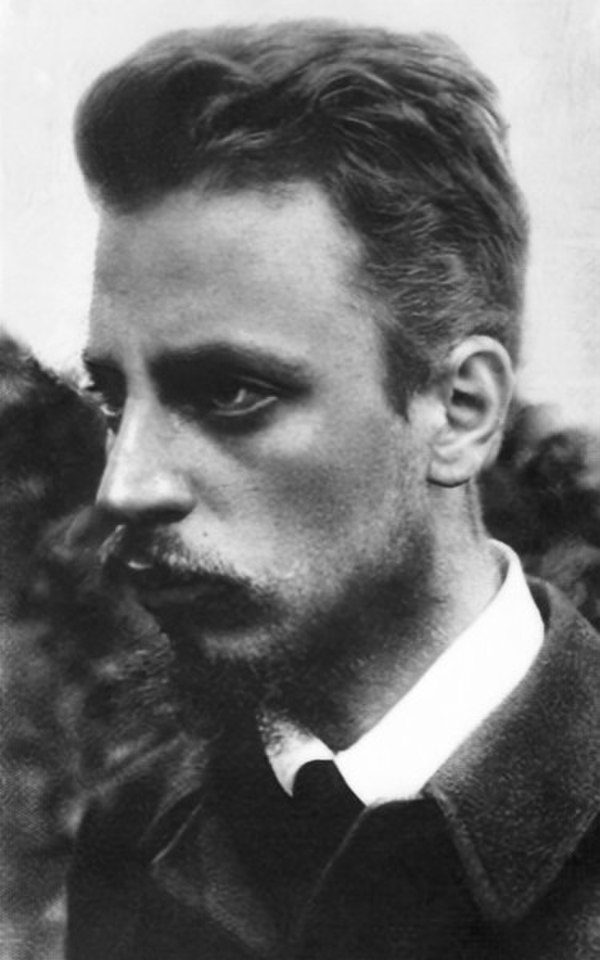
Embracing the Duality of Existence
Rainer Maria Rilke's poignant invitation to "Let everything happen to you: beauty and terror" encapsulates the profound duality of human experience. In this simple yet profound statement, Rilke urges us to embrace the full spectrum of life, acknowledging that both joy and suffering are integral to our journey. This call to openness is not merely a suggestion; it is a profound challenge to our instinctual desire to avoid discomfort and cling to pleasure. In a world often divided between light and dark, Rilke's words remind us that true wholeness lies in the acceptance of both.
To let everything happen to us is to cultivate a radical openness, a willingness to engage with life in all its complexity. This perspective invites us to transcend our fears and limitations, allowing beauty and terror to coexist within our hearts. Rilke’s wisdom resonates deeply in a contemporary context, where many seek to curate their experiences, often sidelining the uncomfortable aspects of existence. By embracing the entirety of our experiences, we can discover a deeper sense of connection to ourselves and the world around us, ultimately leading to a richer, more authentic life.
The image / the metaphor
The imagery in Rilke's quote is striking in its simplicity yet profound in its implications. The phrase "let everything happen to you" evokes a sense of surrender, a relinquishing of control that many find daunting. The juxtaposition of "beauty and terror" serves to highlight the dual nature of existence, suggesting that both elements are not only inevitable but essential. The verbs chosen—"let" and "happen"—imply a passive acceptance, a willingness to be vulnerable and open to whatever life presents, whether it be the exquisite or the horrifying.
Diving deeper into the metaphor, we can see that Rilke is not merely advocating for passive acceptance but rather an active engagement with life’s experiences. The beauty he speaks of can be seen as moments of joy, love, and inspiration, while terror represents fear, loss, and uncertainty. Together, they form a tapestry of existence that, when fully embraced, leads to a profound understanding of the self and the universe. This duality invites us to explore the depths of our emotions, recognizing that each experience enriches our journey and contributes to our growth.
In the speaker's tradition
Rainer Maria Rilke's work is deeply rooted in the mystical tradition, where the exploration of duality is a common theme. Concepts such as kenosis, the self-emptying of one's will, resonate with Rilke's call to openness. In many mystical traditions, including Sufism and Buddhism, the acceptance of both beauty and terror is essential for spiritual growth. The notion of sunyata, or emptiness, in Buddhism encourages practitioners to embrace the transient nature of experiences, while the Sufi concept of fana speaks to the dissolution of the self in the face of divine love and terror.
In Rilke's "Book of Hours," we find echoes of these mystical ideas, particularly in his reflections on the nature of existence and the divine. He writes about the necessity of confronting our fears and embracing the unknown, suggesting that true spiritual awakening arises from this engagement with both the light and the dark. This interplay between beauty and terror is not merely a poetic device but a profound truth that invites us to explore the depths of our being and the universe itself.
Living the teaching
Consider a modern scenario where this teaching resonates: a person facing a significant life change, such as a job loss or the end of a relationship. Initially, the experience may feel overwhelmingly terrifying, filled with uncertainty and fear of the future. However, by allowing themselves to fully experience the emotions that arise—grief, anxiety, and even moments of unexpected beauty—they can begin to see the potential for growth and transformation. This openness to the full range of emotions can lead to new opportunities and deeper self-awareness, illustrating Rilke's wisdom in action.
In a different context, imagine a relationship where one partner is struggling with vulnerability. By embracing the beauty of love alongside the terror of potential loss, both partners can cultivate a deeper connection. This practice of openness allows them to share their fears and joys, fostering intimacy and trust. Rilke's invitation to let everything happen becomes a guiding principle, encouraging them to navigate the complexities of their relationship with courage and authenticity.
A reflection
As we contemplate Rilke's profound invitation, we are left with a contemplative question: How can we cultivate a deeper openness to both the beauty and terror in our own lives? This inquiry invites us to reflect on our experiences, encouraging us to embrace the full spectrum of our emotions and recognize the transformative power of acceptance. In doing so, we may discover that within the duality of existence lies the path to a more authentic and enriched life.



Join the BrightStar Community
Stay connected with daily inspiration, event announcements, and community wisdom