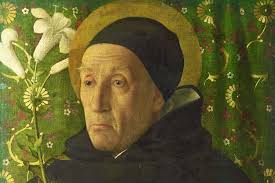
The Sacred Art of Now: Meister Eckhart's Call to Presence
Meister Eckhart's assertion, "He who would do well must finish his works in the present moment," invites us to reconsider our relationship with time and action. In a world often preoccupied with the past and future, Eckhart's wisdom urges us to anchor ourselves in the now, where true completion and fulfillment reside. This call to presence is not merely a suggestion but a profound spiritual imperative that can transform our lives and our understanding of purpose.
To finish our works in the present moment is to embrace the fullness of existence as it unfolds. It is a reminder that the essence of our actions lies not in their outcomes or the accolades they may bring, but in the integrity and intention we bring to each moment. In this light, Eckhart's words resonate deeply, challenging us to engage fully with our lives, to act with mindfulness, and to recognize that the present is the only realm where we can truly create and complete.
The image / the metaphor
The imagery in Eckhart's quote evokes a sense of immediacy and urgency. The verbs "do" and "finish" suggest a dynamic interplay between action and completion, emphasizing that our endeavors must be rooted in the present moment. This notion of 'finishing' implies a sense of wholeness, where the act of creation is not merely about reaching a destination but about the journey itself. The present moment becomes a canvas, inviting us to paint our lives with intention and clarity.
In the speaker's tradition
Meister Eckhart's teachings are deeply rooted in the Christian mystical tradition, where the concept of presence is paramount. His emphasis on the present moment resonates with ideas found in other spiritual traditions, such as the Buddhist notion of 'sunyata' or emptiness, which encourages a letting go of attachments to past and future. Similarly, the concept of 'kenosis' in Christian theology, which refers to the self-emptying of one's will to make room for divine presence, aligns beautifully with Eckhart's call to act in the now.
In his sermons, Eckhart often speaks of the 'birth of the Word' within the soul, a metaphor for the divine potential that resides in each of us. This idea parallels the Hindu concept of 'bhakti,' or devotion, where the act of surrendering to the divine in the present moment leads to spiritual fulfillment. By situating his teachings within this broader mystical framework, we can appreciate the universality of Eckhart's message and its relevance across various spiritual paths.
Living the teaching
Consider a modern scenario where this teaching can be applied: a busy professional overwhelmed by deadlines and expectations. In the rush to complete tasks, one might find themselves distracted, anxious, and disconnected from the quality of their work. By embracing Eckhart's wisdom, this individual can learn to pause, breathe, and focus on the task at hand, recognizing that true productivity arises from presence. In doing so, they not only enhance the quality of their work but also cultivate a sense of peace and fulfillment.
In relationships, Eckhart's teaching can also find profound application. Imagine a moment of conflict between partners, where past grievances and future fears cloud the present interaction. By choosing to engage fully in the moment, to listen deeply and respond with compassion, both individuals can transcend the cycle of blame and resentment. This practice of presence fosters deeper connections and understanding, allowing love to flourish in the here and now.
A reflection
As we contemplate Eckhart's profound insight, we are invited to ask ourselves: How often do I find myself lost in thoughts of what has been or what is yet to come, rather than fully engaging with the present moment? This question serves as a gentle reminder to cultivate awareness and presence in our daily lives, encouraging us to embrace the sacredness of now as we navigate our spiritual journeys.

Join the BrightStar Community
Stay connected with daily inspiration, event announcements, and community wisdom