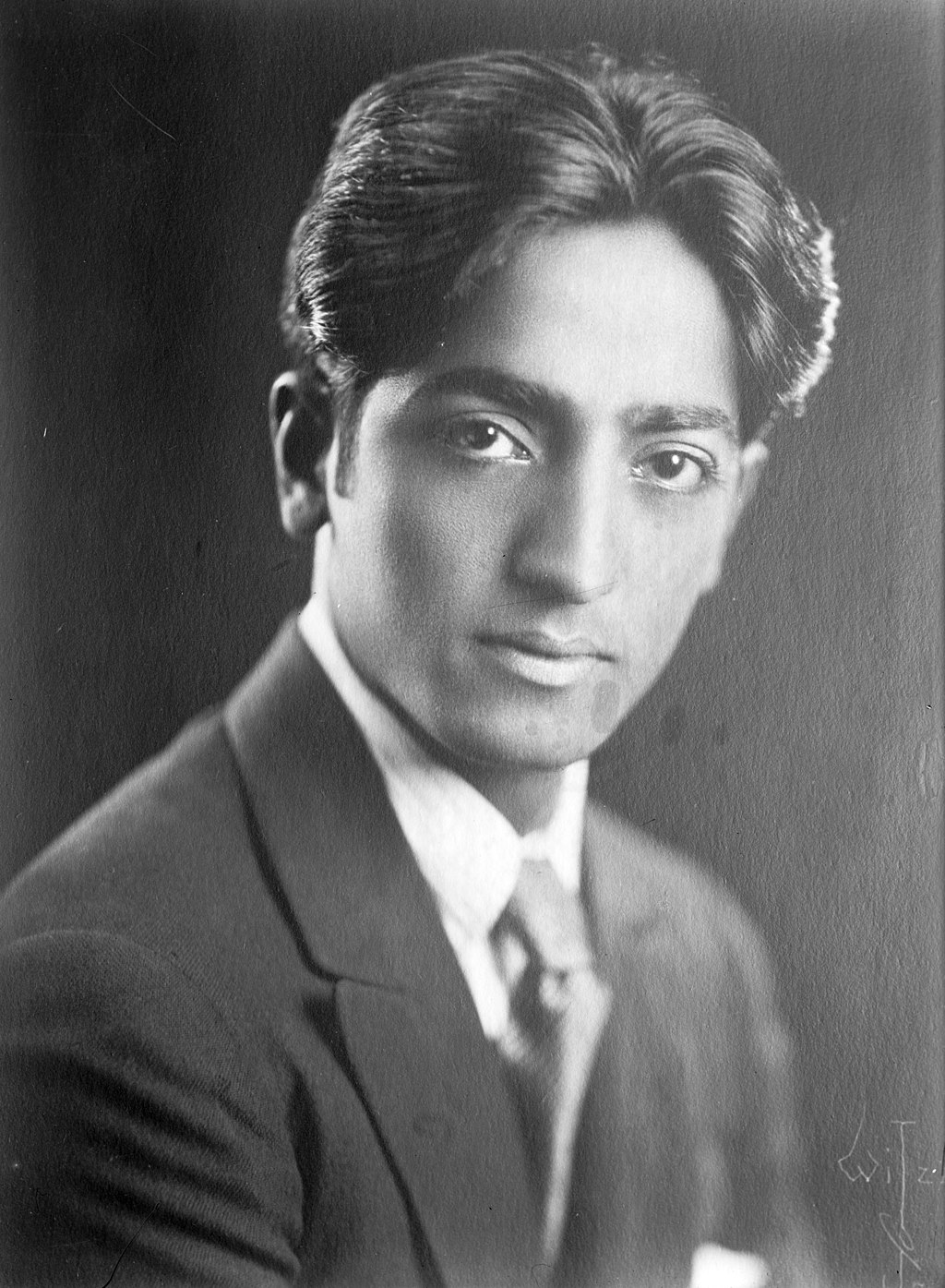
The Dissolution of the Self: A Journey into True Meditation
Jiddu Krishnamurti's assertion that "true meditation is the dissolution of the meditator" invites us to reconsider the very essence of our meditative practice. This statement challenges the conventional understanding of meditation as a technique for achieving personal peace or enlightenment. Instead, it suggests a radical transformation where the sense of a separate self—the meditator—fades away, leading to a profound experience of unity and presence. This perspective is not merely philosophical; it has the potential to reshape our approach to life itself.
In a world often dominated by individualism and the pursuit of self-improvement, Krishnamurti's words resonate with a deep urgency. They call us to explore the nature of our identity and the barriers we construct around it. The dissolution of the meditator is not an act of self-neglect but rather an invitation to embrace a more expansive understanding of existence. This exploration can lead to a transformative experience, where the boundaries of self dissolve, revealing a deeper connection to the universe and to others.
The image / the metaphor
At first glance, the imagery in Krishnamurti's quote evokes a sense of paradox. The term "dissolution" suggests a breaking down or a melting away, while "meditator" implies an active participant in the process of meditation. This juxtaposition creates a vivid picture of a journey where the very essence of the one who meditates is allowed to dissolve into the vastness of awareness. The verbs chosen—dissolution, meditation—carry a weight that speaks to the transformative power of letting go, of surrendering the ego and its attachments.
Delving deeper into this metaphor, we can see that the dissolution of the meditator is not a loss but a liberation. It is akin to the melting of ice into water, where the individual self merges with a greater whole. This process can be likened to the experience of sunyata in Buddhist philosophy, where emptiness is not a void but a fertile ground for new possibilities. In this light, meditation becomes a sacred act of unbinding, allowing us to experience the interconnectedness of all life.
In the speaker's tradition
Krishnamurti's teachings emerge from a rich tapestry of non-dual traditions, where the dissolution of the self is a central theme. Concepts such as dharma, kenosis, and fana resonate deeply with his assertion. In these traditions, the idea of letting go of the ego is not merely a philosophical exercise but a spiritual imperative. The journey towards self-dissolution is often seen as a pathway to realizing one's true nature, which transcends the limitations of the individual self.
In the context of Krishnamurti's work, we can draw parallels with the concept of prajna, or wisdom, which arises when the mind is free from the clutter of personal desires and attachments. His emphasis on direct experience aligns with the teachings found in texts like the Upanishads, where the realization of the self as part of the universal consciousness is celebrated. This shared understanding across traditions highlights the universality of the quest for truth and the profound implications of dissolving the meditator.
Living the teaching
Consider a modern scenario where someone sits down to meditate, seeking solace from the chaos of daily life. Initially, they may focus on their breath, attempting to quiet the mind. However, as they delve deeper into their practice, they may begin to notice the persistent thoughts and feelings that arise, often tied to their identity as a parent, a professional, or a friend. In this moment, the challenge becomes one of surrendering these identities, allowing the meditator to dissolve into the experience of pure awareness, free from the labels that define them.
In relationships, the teaching of dissolution can manifest in moments of conflict. Imagine a disagreement with a loved one, where each party is entrenched in their perspective. By embracing the idea of dissolving the self, one might approach the situation with a willingness to let go of their need to be right. This shift can create space for empathy and understanding, allowing the relationship to flourish beyond the confines of ego-driven narratives. In both scenarios, the act of dissolution leads to a deeper connection with oneself and others.
A reflection
As we contemplate Krishnamurti's profound statement, we are invited to reflect on our own experiences of self and identity. What does it mean for you to dissolve the meditator? In what areas of your life do you cling to a sense of self that may be limiting your experience of unity and connection? This contemplation can serve as a guiding question, encouraging us to explore the depths of our being and the transformative potential of true meditation.



Join the BrightStar Community
Stay connected with daily inspiration, event announcements, and community wisdom