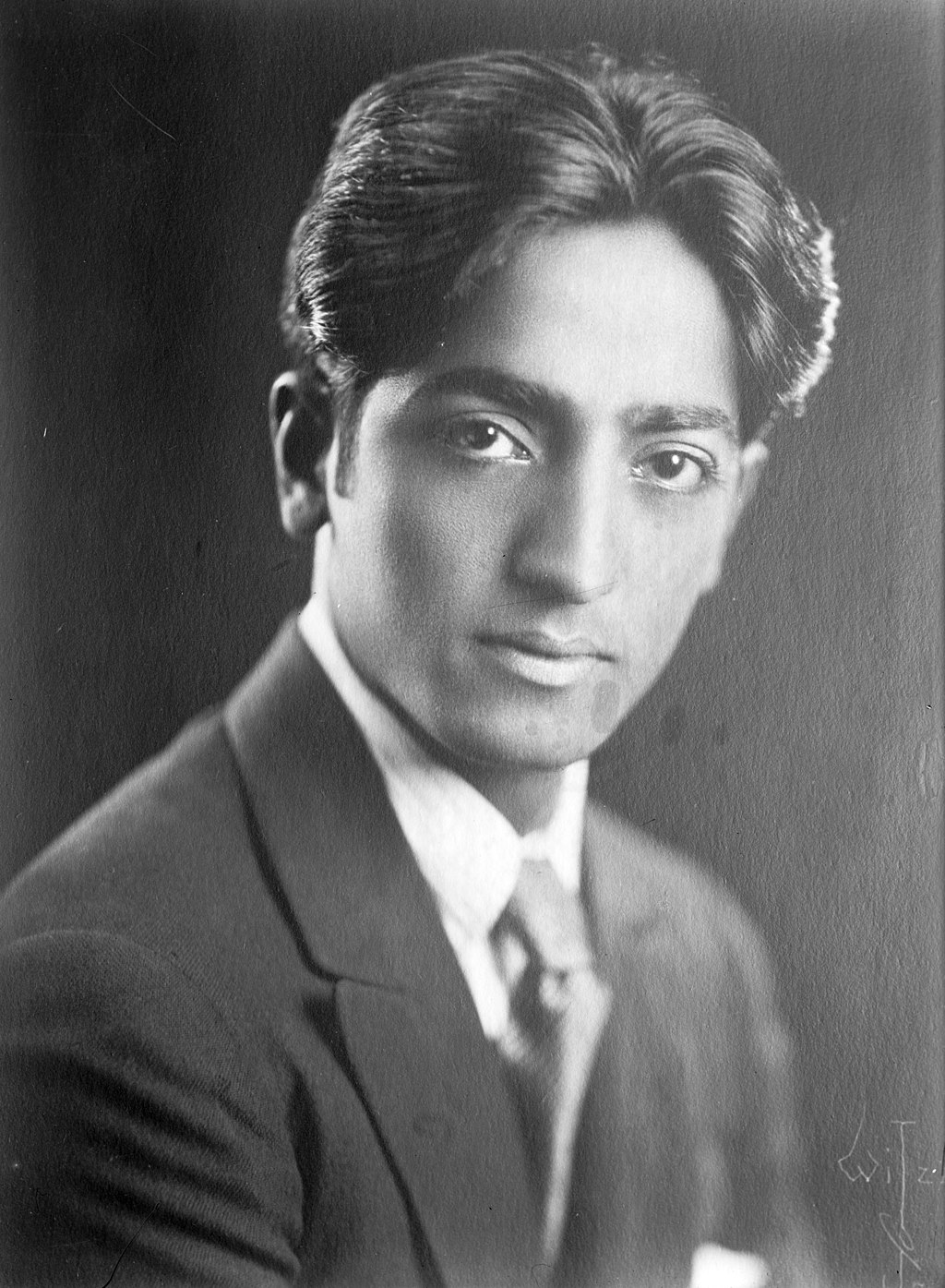
The Essence of Now: Embracing the Moment
Jiddu Krishnamurti's assertion that "the whole of life is in this moment" invites us to reconsider our relationship with time and existence. It suggests that the entirety of our experience, with all its richness and complexity, is encapsulated in the present. This perspective challenges our habitual tendencies to dwell on the past or anxiously anticipate the future, urging us instead to immerse ourselves fully in the now. Recognizing the significance of this moment can transform our understanding of life itself, revealing a profound depth that often goes unnoticed.
To delve deeper, we must acknowledge that this moment is not merely a fleeting point in time but a gateway to the fullness of life. It is in this instant that we can access our true selves, free from the burdens of regret or expectation. Krishnamurti's wisdom beckons us to explore the idea that life is not a series of events strung together but a continuous flow of experiences that can only be fully appreciated when we are present. This realization holds the potential to shift our perception, allowing us to engage with life in a more meaningful and authentic way.
The image / the metaphor
The imagery in Krishnamurti's quote evokes a sense of immediacy and urgency. The phrase "the whole of life" suggests an all-encompassing reality, while "this moment" emphasizes the singularity and uniqueness of the present. The verbs chosen imply an active engagement with life, urging us to recognize that every thought, feeling, and experience is part of a larger tapestry woven together in the now. This moment is not a mere backdrop but the very stage upon which our lives unfold, filled with potential and possibility.
Diving deeper into the metaphor, we can see that the present moment serves as a lens through which we can view our existence. It is a reminder that life is not something to be postponed or deferred; rather, it is a vibrant, dynamic experience that demands our attention. By anchoring ourselves in the present, we can cultivate a sense of awareness that allows us to appreciate the beauty and complexity of life as it is, rather than as we wish it to be. This perspective invites us to embrace the richness of our experiences, no matter how mundane or extraordinary they may seem.
In the speaker's tradition
Krishnamurti's teachings are deeply rooted in the non-dual tradition, which emphasizes the interconnectedness of all existence. Concepts such as dharma, or the natural order of life, and sunyata, the emptiness that allows for the fullness of experience, resonate with his assertion about the present moment. In this context, the idea of kenosis, or self-emptying, becomes relevant, as it encourages us to let go of preconceived notions and attachments that hinder our ability to fully inhabit the now. By recognizing the transient nature of life, we can cultivate a deeper understanding of our place within the greater whole.
In his work, Krishnamurti often draws parallels to other spiritual traditions, highlighting the universal nature of his insights. For instance, the concept of prajna, or wisdom, in Buddhism aligns with his emphasis on presence, as it encourages a direct experience of reality without the filters of thought or judgment. Similarly, the notion of bhakti, or devotion, can be seen as a way to engage with the present moment through love and surrender. These connections illustrate that the essence of Krishnamurti's teaching transcends cultural boundaries, inviting seekers from all backgrounds to explore the depths of their own experience.
Living the teaching
Consider a modern scenario where the teaching of being present can be profoundly impactful: a busy professional caught in the whirlwind of deadlines and responsibilities. This individual may find themselves constantly racing against time, their mind occupied with future tasks and past regrets. By embracing Krishnamurti's wisdom, they can begin to shift their focus to the present moment, allowing themselves to fully engage with their work and the people around them. This simple act of presence can lead to increased clarity, creativity, and fulfillment, transforming their experience of daily life.
In relationships, the teaching of living in the moment can also yield transformative results. Imagine a couple navigating a challenging conversation, each partner bringing their own fears and expectations into the dialogue. By consciously choosing to be present with one another, they can create a space of openness and vulnerability, allowing for deeper understanding and connection. This practice of presence fosters a sense of intimacy that transcends the surface-level interactions often found in relationships, inviting both partners to explore the richness of their shared experience.
A reflection
As we contemplate Krishnamurti's assertion that "the whole of life is in this moment," we are invited to reflect on our own relationship with time and presence. How often do we find ourselves lost in thoughts of the past or future, missing the beauty of the now? In what ways can we cultivate a deeper awareness of the present moment in our daily lives? Allow this contemplation to guide you toward a more profound engagement with your own experience, opening the door to the fullness of life that awaits in each fleeting moment.

Join the BrightStar Community
Stay connected with daily inspiration, event announcements, and community wisdom