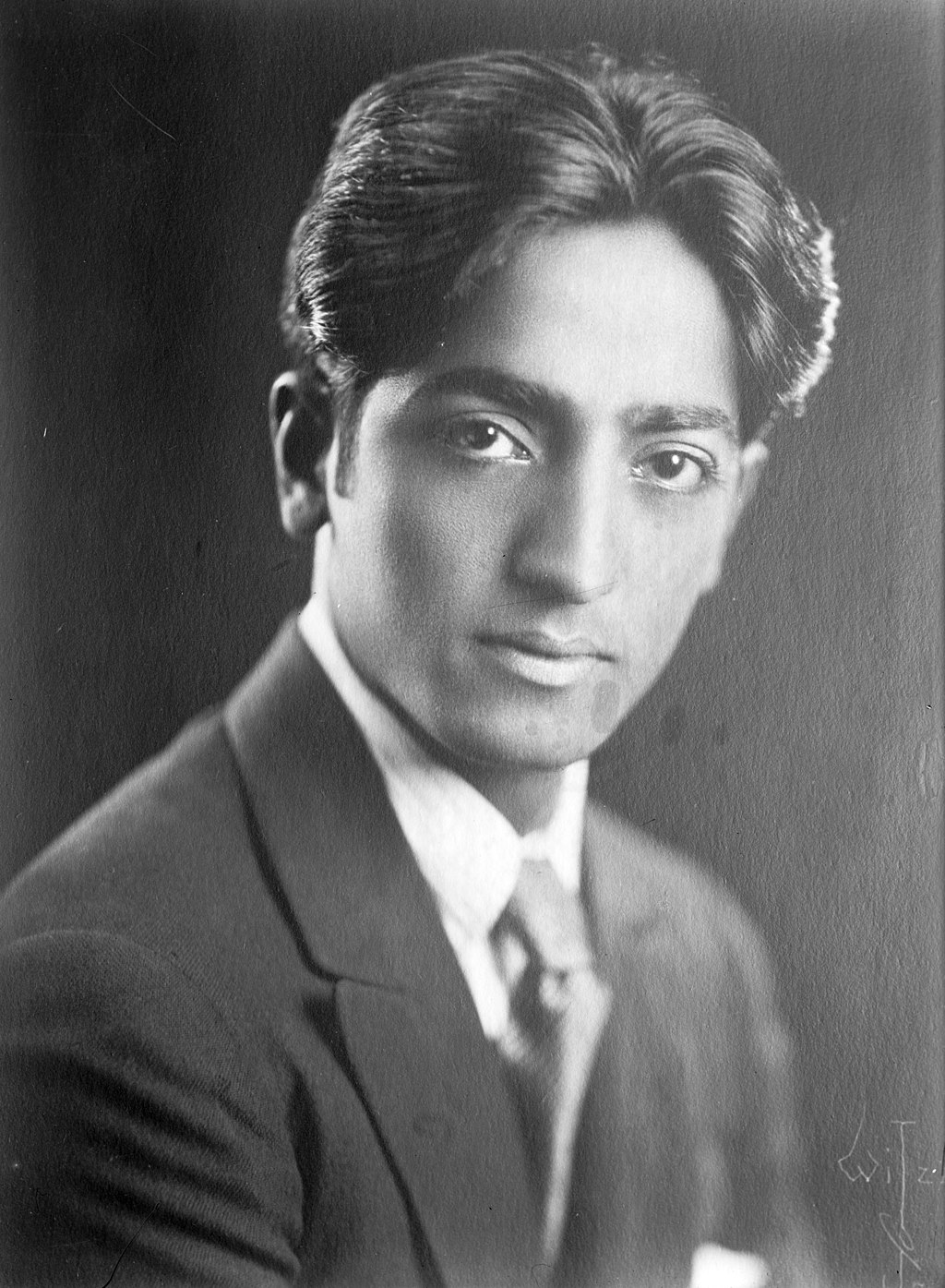
Seeing Beyond the Veil of Words
Jiddu Krishnamurti's exhortation to "look without the word" invites us to transcend the limitations imposed by language and conceptual thought. In a world saturated with verbal labels and definitions, this call to direct perception becomes a profound challenge. It urges us to engage with reality as it is, unmediated by the filters of our conditioned minds. This matters deeply, for in our habitual reliance on words, we often miss the essence of our experiences, reducing the richness of life to mere symbols.
To look without the word is to embrace a form of seeing that is immediate and unclouded. It is an invitation to experience the world in its raw, unadulterated state, free from the interpretations and judgments that language imposes. This perspective is not merely an intellectual exercise; it is a radical shift in consciousness that can lead to deeper understanding and connection with ourselves and the universe. In a society that often prioritizes verbal communication, this teaching challenges us to cultivate a more profound awareness of the present moment.
The image / the metaphor
The phrase "look without the word" conjures a vivid image of a person gazing at a landscape, yet instead of labeling the colors, shapes, and movements, they simply absorb the scene in its entirety. The verbs "look" and "without" emphasize an active engagement with reality that is devoid of the mental chatter that often accompanies perception. This act of seeing is not passive; it requires a conscious effort to set aside preconceived notions and judgments, allowing the essence of what is to emerge.
Diving deeper into the metaphor, we can understand that words serve as both tools and barriers. While they can articulate thoughts and convey meaning, they also create a distance between the observer and the observed. By urging us to look without the word, Krishnamurti invites us to dismantle this barrier, encouraging a direct encounter with existence. This metaphorical lens reveals the potential for a more profound connection to life, one that transcends the limitations of language and thought.
In the speaker's tradition
Krishnamurti's teaching emerges from a non-dual tradition that emphasizes the interconnectedness of all things. Concepts such as dharma, which refers to the inherent nature of reality, and prajna, or wisdom, resonate deeply within this framework. In non-dual philosophy, the separation between subject and object dissolves, allowing for a direct experience of being that is unmediated by language. This perspective aligns with the idea of sunyata, or emptiness, where the absence of fixed concepts opens the door to a more authentic experience of life.
In his work, Krishnamurti often draws parallels to the teachings found in various spiritual texts, such as the Upanishads, which explore the nature of reality beyond the confines of thought. For instance, the Upanishads speak of the ultimate reality as "Brahman," which is beyond description and cannot be captured by words. This echoes Krishnamurti's insistence that true understanding arises not from intellectual analysis but from a direct, experiential engagement with the world.
Living the teaching
Consider a modern scenario where this teaching can be applied: a bustling city street filled with the sounds of traffic, voices, and the vibrant energy of life. In such a setting, one might find themselves overwhelmed by the noise and chaos, often retreating into thoughts about the environment rather than experiencing it directly. By practicing looking without the word, one could immerse themselves in the sensory experience—the colors of the buildings, the rhythm of footsteps, the warmth of the sun—allowing these elements to resonate without the interference of judgment or categorization.
This teaching can also be transformative in personal relationships. Imagine a moment of conflict where words are exchanged, often leading to misunderstandings and emotional distance. By applying Krishnamurti's insight, one might pause to truly see the other person—not as a collection of labels or roles but as a unique individual with their own experiences and feelings. This shift in perception can foster empathy and connection, allowing for a deeper understanding that transcends the limitations of verbal communication.
A reflection
As we contemplate the essence of Krishnamurti's teaching, we are invited to reflect on our own relationship with language and perception. How often do we find ourselves caught in the web of words, missing the richness of direct experience? In what ways can we practice looking without the word in our daily lives, allowing ourselves to engage with the world in a more immediate and authentic manner? This inquiry opens the door to a deeper exploration of our consciousness and invites us to embrace the fullness of existence.


Join the BrightStar Community
Stay connected with daily inspiration, event announcements, and community wisdom