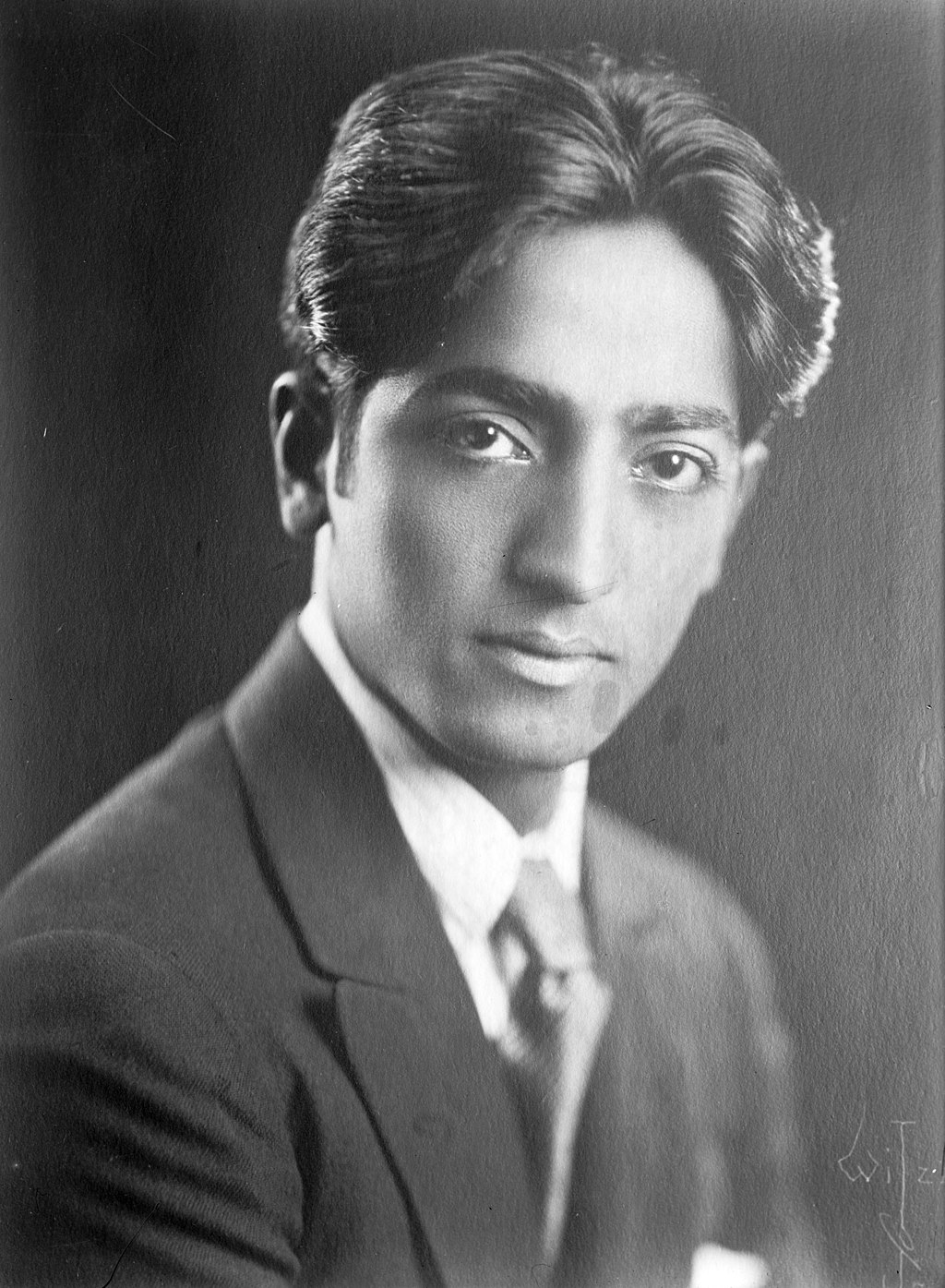
The Dance of Insight and Action
Jiddu Krishnamurti's assertion that "insight is action" invites us to reconsider the relationship between understanding and doing. In a world often dominated by superficial knowledge and passive observation, this statement serves as a clarion call to engage deeply with our insights and allow them to manifest in our actions. It emphasizes that true insight is not merely an intellectual exercise but a transformative force that compels us to act in alignment with our deeper understanding. This matters profoundly, as it challenges us to bridge the gap between thought and deed, urging us to embody our realizations in the fabric of our daily lives.
Delving deeper, we find that Krishnamurti's words resonate with the essence of non-dual awareness, where the separation between the observer and the observed dissolves. Insight, in this context, is not a static possession but a dynamic process that unfolds in the immediacy of experience. When we truly see the interconnectedness of all things, our actions naturally arise from that clarity, reflecting a unity that transcends the dualities of thought and action. Thus, the stakes are high; to live in accordance with our insights is to participate in the ongoing dance of life, where every action is infused with purpose and meaning.
The image / the metaphor
At first glance, the phrase "insight is action" presents a striking image of clarity leading to movement. The verb "is" suggests an intrinsic connection, a seamless flow from understanding to doing. This relationship evokes a sense of immediacy, as if insight is not merely a precursor to action but its very essence. The imagery here is one of fluidity, where the mind's illumination directly informs the body’s response, creating a harmonious interplay between cognition and behavior.
Going deeper, we can see that this metaphor speaks to the nature of awakening itself. Insight can be likened to a light illuminating a darkened path; once we perceive the way forward, we cannot help but move toward it. In this sense, action becomes an expression of our inner clarity, a manifestation of the unity we experience when we truly understand our place in the world. The metaphor thus invites us to consider how our insights can catalyze change, not only within ourselves but also in our relationships and communities.
In the speaker's tradition
Krishnamurti's teachings emerge from a rich tapestry of non-dual philosophy, where the concepts of unity and interconnectedness are paramount. His emphasis on insight as action aligns with the notion of dharma, which calls for living in accordance with one's true nature and understanding. In this framework, insight is not merely a personal epiphany but a recognition of the universal truths that bind us all. This understanding echoes the Buddhist concept of sunyata, or emptiness, where the realization of interdependence leads to compassionate action.
Furthermore, Krishnamurti's perspective can be compared to the idea of prajna, or wisdom, found in various Eastern traditions. In texts such as the Heart Sutra, the realization of emptiness leads to the liberation of action, suggesting that true insight is inherently transformative. By situating Krishnamurti within this broader context, we can appreciate how his assertion that "insight is action" resonates with a long-standing tradition that values the integration of understanding and ethical living.
Living the teaching
Consider a modern scenario where this teaching finds resonance: a workplace conflict arises, and colleagues are at odds over differing approaches to a project. One individual, having gained insight into the underlying motivations and fears of their peers, recognizes that their own approach may be contributing to the discord. Instead of remaining passive or merely intellectualizing the situation, they choose to engage in open dialogue, fostering understanding and collaboration. Here, insight transforms into action, demonstrating how awareness can lead to constructive change.
In a different context, let us reflect on personal relationships. Imagine a moment of tension between partners, where unspoken grievances linger in the air. One partner, through introspection, gains insight into their own patterns of behavior and how they contribute to the conflict. Rather than retreating into silence or defensiveness, they take the courageous step to express their feelings and invite their partner into a deeper conversation. This act of vulnerability, born from insight, not only resolves the immediate tension but also strengthens the bond between them, illustrating how insight can manifest as compassionate action in our daily lives.
A reflection
As we contemplate Krishnamurti's profound assertion that "insight is action," we are invited to reflect on our own lives. In what areas do we possess insights that remain unexpressed or unacted upon? How might we bridge the gap between our understanding and our actions, allowing our insights to guide us in a more authentic and engaged way? This contemplation can serve as a powerful catalyst for personal transformation, urging us to embody our realizations in the world around us.




Join the BrightStar Community
Stay connected with daily inspiration, event announcements, and community wisdom