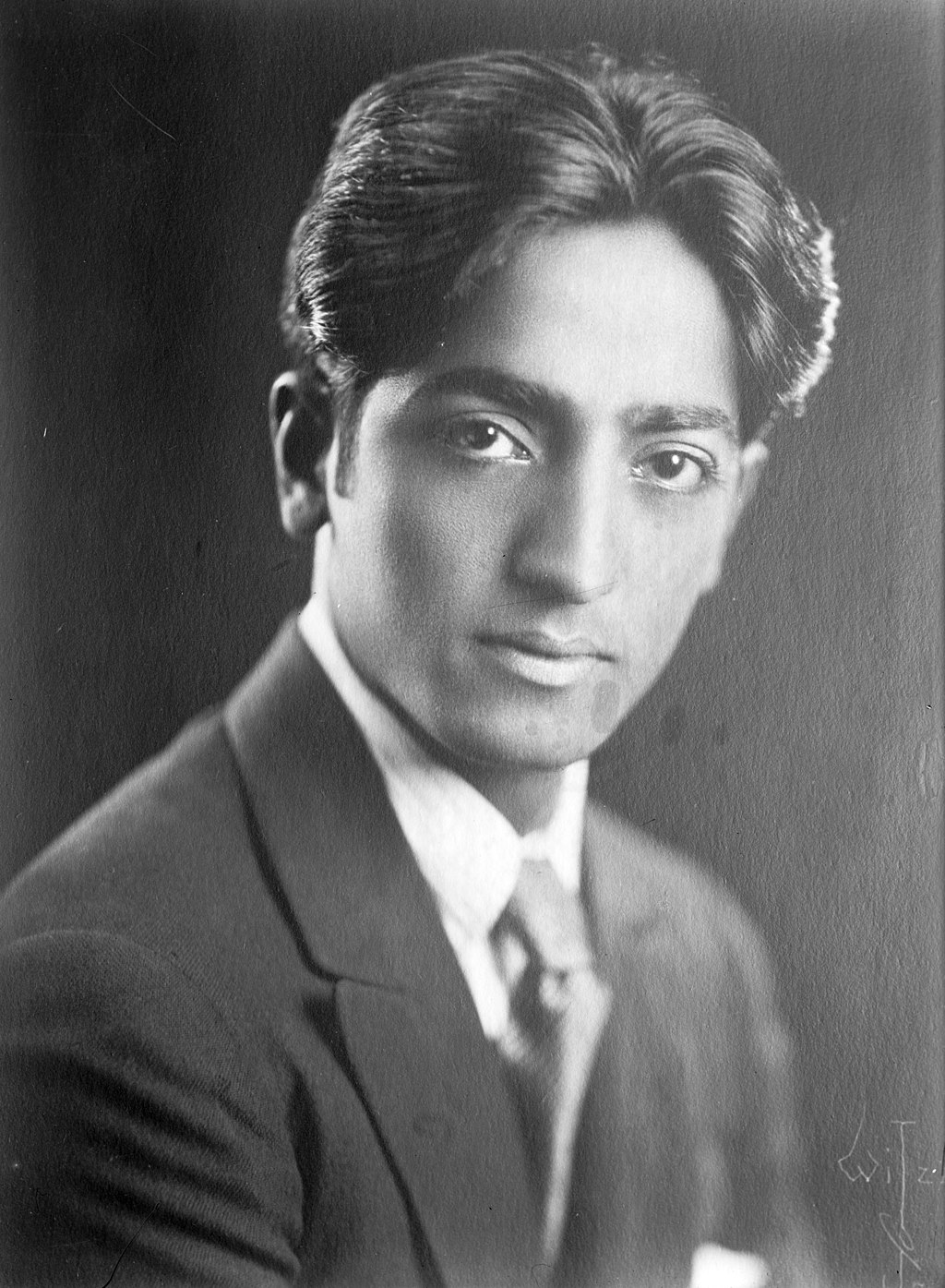
The Essence of Action: Beyond Ends and Means
Jiddu Krishnamurti's assertion that "action without an end is true action" invites us to reconsider the very nature of our actions. In a world often driven by goals and outcomes, this statement challenges the prevailing notion that every action must lead to a specific result. It beckons us to explore the purity of action itself, free from the constraints of expectation and desire. This inquiry is not merely philosophical; it has profound implications for how we engage with life, ourselves, and each other.
At its core, this quote speaks to the essence of being present in our actions. When we act with an end in mind, we are often tethered to a future that may never arrive, leading to anxiety and dissatisfaction. Krishnamurti's perspective encourages us to embrace the immediacy of action, to find fulfillment in the act itself rather than in its anticipated outcomes. This shift in focus can transform our relationship with the world, allowing us to engage more authentically and deeply with our experiences.
The image / the metaphor
To unpack the imagery within Krishnamurti's quote, we must first consider the verbs he employs: "action" and "end." Action, in this context, is not merely a physical movement but a dynamic expression of life itself. It is fluid, alive, and inherently connected to the present moment. The term "end" suggests a destination, a goal that often distracts us from the journey. By juxtaposing these two concepts, Krishnamurti invites us to envision action as a continuous flow rather than a series of stops along a predetermined path.
Diving deeper into the metaphor, we can see that true action, as Krishnamurti describes, is akin to a river that flows freely, unencumbered by the banks that might confine it. This river does not seek to reach a specific point; rather, it embodies the essence of movement and change. In this way, action without an end becomes a celebration of existence itself, a dance of life that unfolds in each moment without the weight of expectation. It is in this dance that we find our true selves, unmasked and unbound.
In the speaker's tradition
Krishnamurti's teachings emerge from a rich tapestry of non-dual philosophy, which emphasizes the interconnectedness of all things and the illusion of separation. Concepts such as dharma, or the inherent nature of reality, resonate deeply with his assertion about action. In non-dual thought, the idea of kenosis—self-emptying—parallels the notion of acting without attachment to outcomes. By letting go of the ego's desires, we can engage in actions that reflect our true nature, untainted by the need for validation or success.
Furthermore, the Buddhist concept of sunyata, or emptiness, aligns with Krishnamurti's perspective. Just as sunyata teaches that all phenomena are devoid of intrinsic existence, so too does Krishnamurti suggest that actions devoid of an end are liberated from the confines of expectation. In this light, we can see that true action is not about achieving a goal but about embodying the present moment, fully engaged in the act of living. This understanding echoes throughout various spiritual traditions, inviting us to explore the depths of our own existence.
Living the teaching
Consider a modern scenario where this teaching might resonate: a professional artist creating a piece of work. If the artist becomes fixated on the potential accolades or financial success that might come from their creation, the joy and authenticity of the creative process can be lost. However, when the artist engages in their craft for the sheer love of expression—without concern for the final product—they tap into a deeper well of inspiration. This is the essence of action without an end; it is about the journey of creation rather than the destination of recognition.
This teaching can also manifest in our relationships. Imagine a conversation between friends where one is preoccupied with how the dialogue will influence their standing or reputation. If both individuals can engage in the exchange without the burden of expectation—simply enjoying the connection and the shared experience—they cultivate a deeper bond. In these moments, the act of relating becomes a true action, rich with authenticity and presence, free from the constraints of anticipated outcomes.
A reflection
As we contemplate Krishnamurti's profound insight, we are invited to reflect on our own lives: What would it mean to engage in our daily actions without the weight of expectation? In what areas do we find ourselves overly attached to outcomes, and how might we liberate ourselves from these constraints? By exploring these questions, we can begin to embody the essence of true action, discovering the beauty and richness of each moment as it unfolds.


Join the BrightStar Community
Stay connected with daily inspiration, event announcements, and community wisdom