The Heart's Reflection: A Journey into Love and Perception
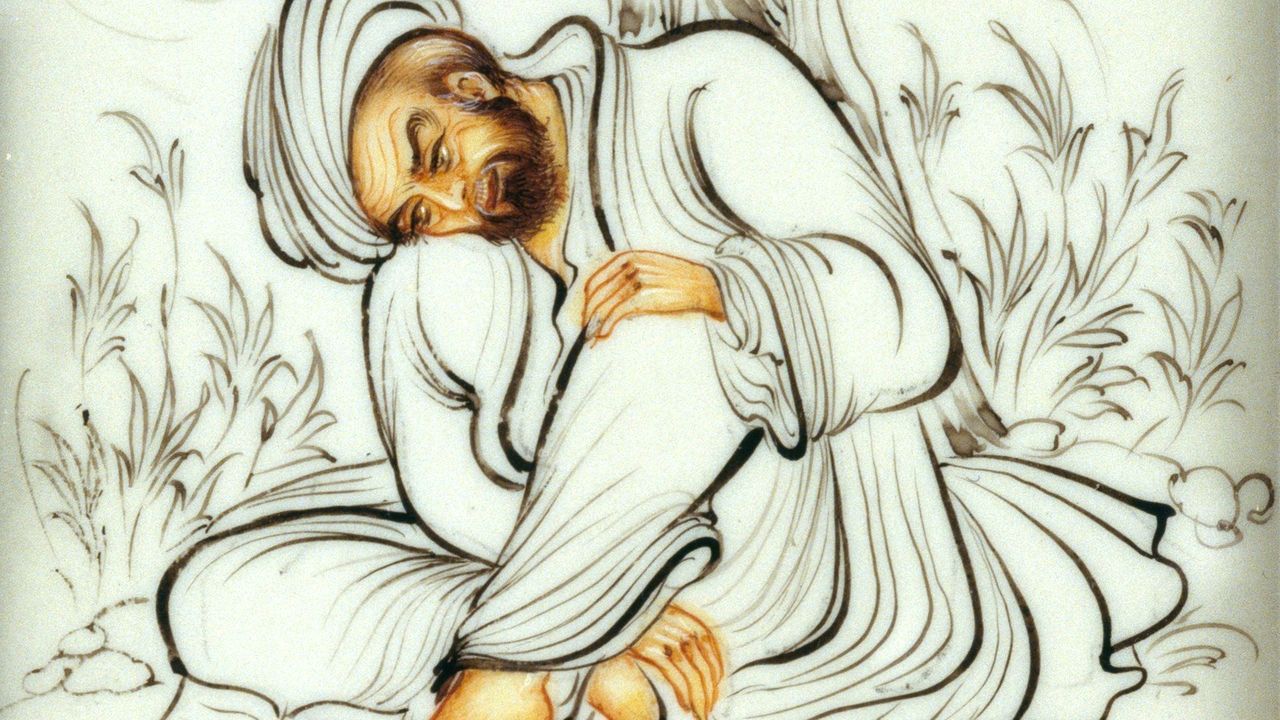
In the words of the Persian poet Hafiz, "The lover's heart is a thousand mirrors — each shows the Beloved's face." This evocative statement invites us to explore the profound relationship between love and perception, suggesting that our hearts, when filled with love, reflect the essence of the beloved in myriad ways. The stakes of this reflection are high; it speaks to the transformative power of love and how it shapes our understanding of ourselves and others. In a world often clouded by misunderstanding, this quote serves as a reminder of the clarity and beauty that love can bring.
As we delve deeper into Hafiz's wisdom, we recognize that this reflection is not merely about romantic love but encompasses a broader spiritual love that connects us to the divine and to each other. The mirrors of our hearts reveal not only the beloved's face but also the divine qualities that reside within us all. This interconnectedness invites us to consider how our perceptions of others are influenced by our own inner states, challenging us to cultivate a heart that reflects love, compassion, and understanding. In this light, Hafiz's words become a call to awaken to the beauty that exists in ourselves and in those we cherish.
The image / the metaphor
The imagery of a heart as "a thousand mirrors" is rich and layered, evoking a sense of multiplicity and depth. Each mirror represents a unique facet of perception, suggesting that love allows us to see the beloved from various angles and dimensions. The choice of the word "lover" implies an active engagement with love, where the heart is not a passive observer but a vibrant participant in the act of reflection. This dynamic interplay between the lover and the beloved creates a tapestry of understanding that transcends superficial appearances, inviting us to look deeper into the essence of those we love.
Delving further into the metaphor, we can see that these mirrors also reflect our own inner landscapes. Each reflection is colored by our emotions, experiences, and beliefs, indicating that our perception of the beloved is inextricably linked to our own state of being. When we approach love with an open heart, we cultivate a space where the beloved's true nature can be revealed, allowing us to see beyond the surface. This notion of reflection extends beyond romantic relationships, encompassing our interactions with friends, family, and even strangers, reminding us that love has the power to illuminate the hidden beauty in all beings.
In the speaker's tradition
Hafiz's poetry is deeply rooted in the Sufi tradition, which emphasizes the transformative power of love as a means of connecting with the divine. Central to Sufism is the concept of "fana," or annihilation of the self, where the lover dissolves into the beloved, experiencing unity with the divine. This dissolution allows for a profound reflection of the beloved's qualities, as the lover becomes a vessel for divine love. The mirrors of the heart, therefore, can be seen as a metaphor for this spiritual journey, where each reflection brings us closer to the essence of the divine.
In the context of Sufi literature, we can draw parallels to the works of Rumi, another luminary of this tradition. Rumi often speaks of love as a force that transcends the ego, allowing individuals to experience a deeper connection with the universe. In his poem "The Guest House," he invites us to welcome all emotions, suggesting that each feeling is a messenger from the beloved. This aligns beautifully with Hafiz's imagery, as both poets encourage us to embrace love's transformative power and recognize the divine in ourselves and others.
Living the teaching
Consider a modern scenario where this teaching resonates: a friend is going through a difficult time, and you find yourself struggling to understand their pain. In this moment, Hafiz's wisdom invites you to reflect on your own heart and the qualities you wish to embody. By approaching your friend with compassion and empathy, you become a mirror that reflects their strength and resilience, helping them to see their own beauty amidst the struggle. This act of love not only supports your friend but also deepens your connection, illustrating how the heart's reflections can foster healing and understanding.
Another application of this teaching can be found in romantic relationships. Imagine a moment of conflict with a partner, where misunderstandings cloud your perception of each other. Hafiz's quote encourages you to pause and reflect on your own feelings and biases, recognizing that your heart can either distort or clarify the beloved's true nature. By cultivating a mindset of love and openness, you can transform the conflict into an opportunity for deeper connection, allowing the mirrors of your hearts to reveal the beauty and strength of your bond.
A reflection
As we contemplate Hafiz's profound words, we are invited to ask ourselves: How do the mirrors of my heart reflect the essence of those I love? This question encourages us to examine our perceptions and the qualities we choose to see in others. In a world that often emphasizes division and misunderstanding, this inquiry serves as a gentle reminder of the power of love to illuminate the beauty that resides within each of us. By embracing this reflection, we can cultivate a heart that not only sees the beloved's face but also recognizes the divine spark within ourselves and all beings.



Join the BrightStar Community
Stay connected with daily inspiration, event announcements, and community wisdom